Introduction: Why “Comparison of Different Container Office” Directly Impacts Your ROI The comparison of different container office is not a design discussion—it is a capital allocation decision that determines your procurement cost, logistics efficiency, and long-term depreciation curve. In global B2B procurement, container offices typically vary across three structural systems: container office Foldable container office […]
Сайт Сравнение различных контейнерных офисов — это не обсуждение дизайна, а решение о распределении капитала которое определяет ваши затраты на закупку, логистическую эффективность и долгосрочную кривую амортизации.
В глобальных B2B-закупках контейнерные офисы обычно различаются по трем конструктивным системам:
Каждый вариант работает на основе различных механических структур, принципов распределения нагрузки и транспортной эффективности, что напрямую влияет на:
Например:
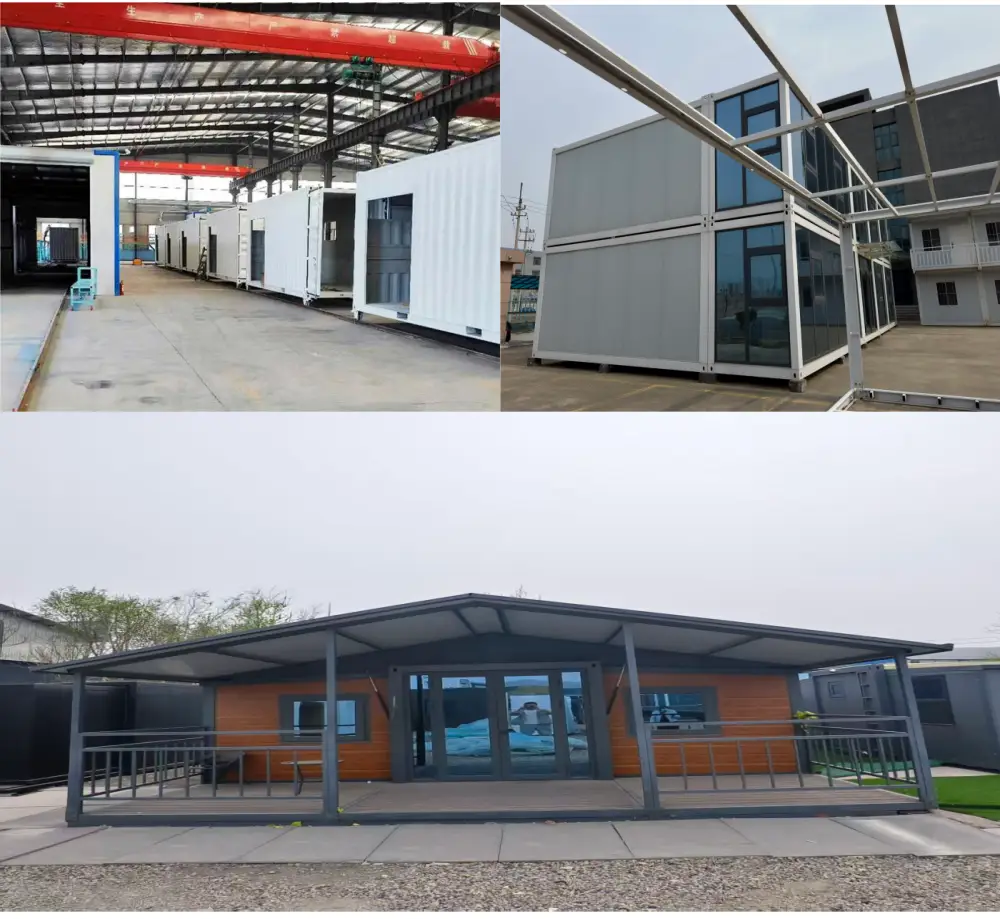
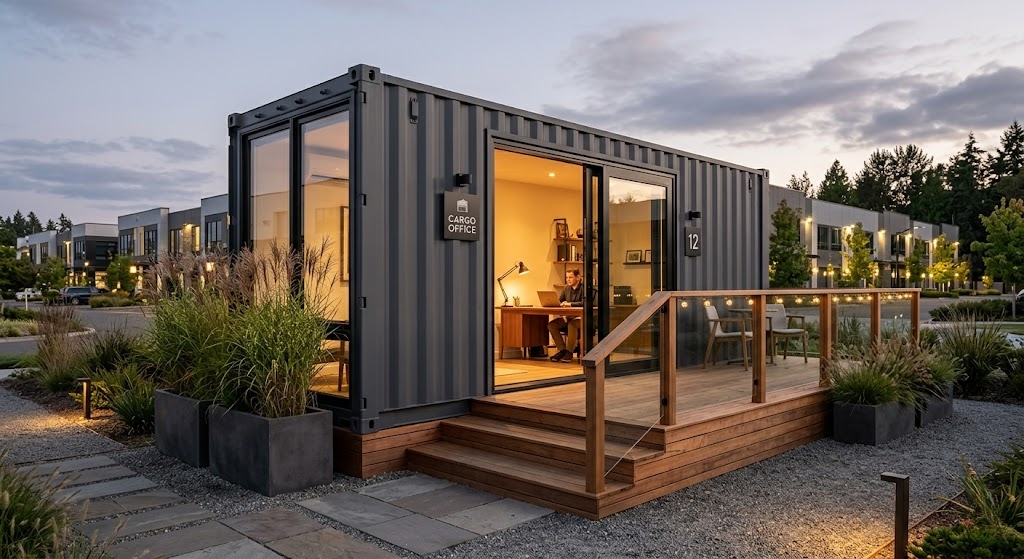
Акцент: Долговечность и безопасность
Конструктивная целостность: Эти блоки изготовлены из высокопрочной стали Corten, что делает их пригодными для долгосрочного, постоянного использования. Это самый надежный вариант для объектов, где требуется защита от экстремальных погодных условий или физическая безопасность дорогостоящего оборудования.
Низкие эксплуатационные расходы: Поскольку они не имеют движущихся частей, таких как шарниры или телескопические направляющие, они требуют минимального обслуживания в течение всего срока службы.
Наилучшее применение: Идеально подходит для постоянных офисов на объектах, хранения чувствительного оборудования на месте или любых объектов, где офис останется фиксированным в течение нескольких лет.
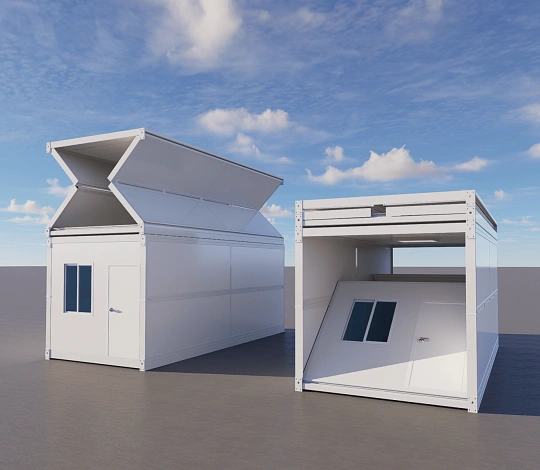
Акцент: Логистика и эффективность установки
Экономия на логистике: Основное преимущество — возможность транспортировки до 10 единиц в пространстве одного морского контейнера. Это значительно снижает транспортные расходы и делает его наиболее экономичным выбором для крупномасштабных развертываний или проектов, требующих многократного перемещения офиса.
Быстрое развертывание: Эти блоки спроектированы для скорости. Предварительно установленные стеновые панели и шарнирные системы позволяют небольшой бригаде создать функциональное рабочее пространство за считанные минуты, что необходимо для проектов с жесткими строительными графиками.
Наилучшее применение: Идеально подходит для временных офисов на строительных площадках, проектных работ или любых ситуаций, когда офис необходимо часто перемещать в соответствии с ходом проекта.
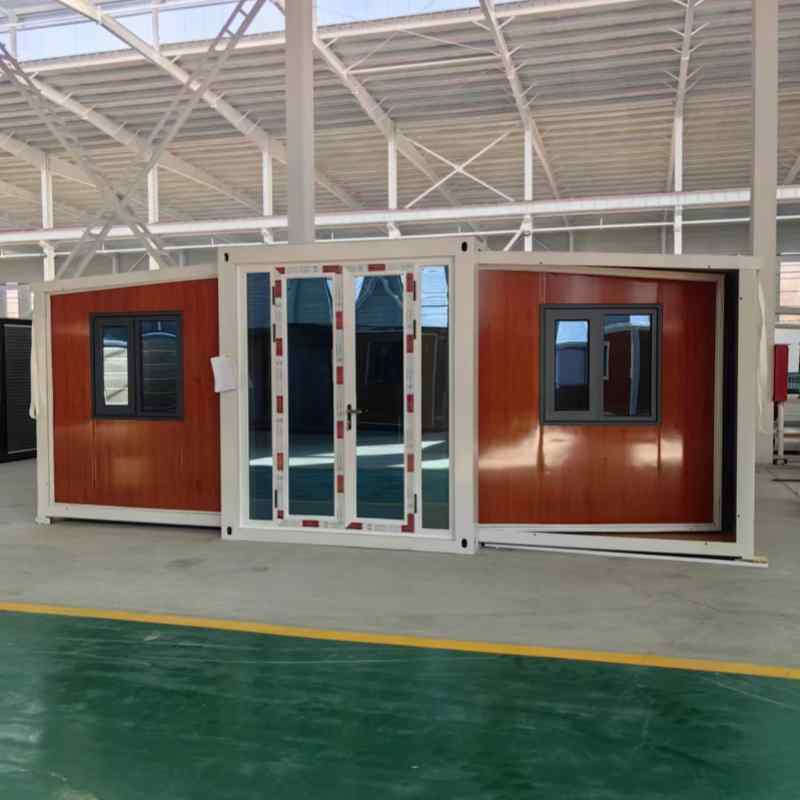
Акцент: Использование пространства и функциональность
Высокая пространственная эффективность: Основное преимущество — увеличение полезной площади пола. За счет раздвижных боковых стенок вы получаете гораздо большее внутреннее рабочее пространство без увеличения площади основания блока. Это позволяет создавать более удобные планировки, например, отдельные комнаты для встреч или приема.
Практический комфорт: Дополнительное пространство облегчает организацию столов, шкафов и зон для совещаний, создавая более профессиональную среду по сравнению со стандартным контейнером.
Наилучшее применение: Лучше всего подходит для центров продаж, выставочных залов или зон для работы с клиентами, где требуется более стационарная офисная среда, обеспечивающая достаточно места как для персонала, так и для посетителей.
Руководство по закупкам для принятия решений
При выборе подходящего продукта для вашего проекта используйте эти критерии, чтобы сосредоточить решение на практических требованиях:
Выбирайте стандартный морской контейнерный офис, если: Вам нужен долгосрочный, безопасный и не требующий особого ухода офис, который не будет перемещаться. Это наиболее экономически эффективное решение для стационарных установок.
Выбирайте складной контейнерный офис, если: Ваша основная цель — сэкономить на транспортных расходах и затратах на установку. Это правильный выбор, если вам нужно установить много офисов или если офис будет перемещаться на разные объекты в ходе проекта.
Выбирайте раздвижной контейнерный офис, если: Вам нужно больше места для вашей команды или посетителей. Это более дорогой вариант, но он обеспечивает наилучшую планировку и комфорт для офисных задач, требующих большего, более традиционного размера помещения.
1. Количественная оценка конструкционной нагрузки
Вы должны рассчитать несущую способность, чтобы обеспечить безопасность штабелированных контейнеров.
Статическая нагрузка: Собственный вес корпусов контейнеров и внутренней отделки (изоляция, гипсокартон, оборудование HVAC).
Динамическая нагрузка: Вес occupants, мебели и офисного оборудования.
Боковая/ветровая нагрузка: Количественная оценка ветроустойчивости на основе местных географических данных. Поскольку контейнеры при штабелировании имеют высокий центр тяжести, расчеты ветровой нагрузки имеют решающее значение для определения требуемой системы анкеровки (фундамента).
2. Количественная оценка тепловых характеристик (Энергетическое моделирование)
Стандартный стальной контейнер имеет очень низкое термическое сопротивление (R-значение). Вы должны количественно оценить необходимую изоляцию для соблюдения местных строительных энергетических норм.
Расчет коэффициента теплопередачи (U-значение): Измерение скорости теплопередачи через стены, крышу и пол.
Тепловые мостики: Количественная оценка потерь тепла через сам стальной каркас. Это часто смягчается путем установки непрерывного слоя изоляции (например, напыляемого пенополиуретана закрытого типа) для разрыва “мостика”, создаваемого сталью.
Расчет мощности систем ОВиК (БТЕ/ч): На основе внутреннего объема, площади поверхности и качества изоляции рассчитывается требуемое количество БТЕ (британских тепловых единиц) для отопления и охлаждения с целью поддержания стабильного внутреннего климата.
3. Использование пространства и размерные данные
Поскольку контейнеры имеют фиксированные размеры (обычно 8 футов в ширину и 8,5 или 9,5 футов в высоту), проектирование пространства представляет собой задачу с количественными ограничениями.
Чистая полезная площадь: С учетом толщины внутренних стен (стойки + изоляция + гипсокартон, обычно 4–6 дюймов на стену) полезная внутренняя ширина уменьшается. Необходимо рассчитать, помещаются ли предполагаемые планы меблировки в эти “чистые” размеры.
Высота до потолка: Учет высоты чистового пола и потолочной отделки для обеспечения соответствия минимальным требованиям коммерческих норм по высоте.
4. Количественная оценка стоимости и логистики
Соотношение стоимости модификации: Оценка стоимости резки, усиления и сварки по сравнению со стоимостью модульной внутренней отделки.
Транспортная логистика: Количественная оценка расстояния от производственного цеха до площадки. Это определяет, должны ли блоки транспортироваться как полностью готовые модули (требующие крановой логистики) или как наборы для сборки на месте (“knock-down”).
Явление:
Блок складывается в компактную конструкцию и разворачивается за минуты.
Инженерный принцип:
Использует шарнирные кинематические системы + предварительно установленные стеновые панели. Структурная целостность зависит от прочности шарниров и запирающих механизмов.
Эталонные данные:
Время установки: 2 рабочих × 10–15 минут
Транспортная вместимость: 8–10 блоков / 40HQ
Срок службы шарниров: 300–500 циклов складывания
Экономический результат:
Экономия $800–$1,500 на контейнер за счет трудозатрат на установку
Сокращение сроков проекта на 70%
Идеально подходит для срочного развертывания (строительные площадки, ликвидация последствий стихийных бедствий)
Явление:
Боковые стены раздвигаются наружу, увеличивая полезное внутреннее пространство.
Инженерный принцип:
Основан на телескопических стальных направляющих + синхронизированных компенсационных швах. Структурная устойчивость зависит от несущих направляющих и усиления пола.
Эталонные данные:
Экономический результат:
1. Структурная жесткость vs. Скорость развертывания
Стандартные контейнеры: Используют преимущества оригинальной инженерной конструкции ISO-контейнера: возможность штабелирования до 9 блоков в высоту. Путь нагрузки передается непосредственно через угловые стойки. Отсутствует механическая потеря прочности с течением времени.
Складные блоки: Они оптимизированы для логистической плотности. Поскольку стены имеют шарниры, “монококовая” (напряженная обшивка) прочность исходного контейнера нарушается. Для компенсации используются высокопрочные стопорные болты. Инженерным узким местом здесь является усталость в точках шарниров; вибрации при транспортировке или осадка грунта могут привести к несоосности запирающей системы.
Раздвижные блоки: Они представляют собой наиболее сложную механическую задачу. При раздвижении блока центр тяжести смещается, а консольные секции создают изгибающие моменты на основной раме пола. Инженеры должны количественно оценить прогиб (провисание) на внешних краях, что часто требует установки гидравлических или винтовых домкратных опор под раздвинутые крылья для предотвращения структурного разрушения.
2. Тепловая и влажностная целостность
Стандартные контейнеры: Наилучший вариант для тепловой стабильности. Поскольку меньше стыков и движущихся частей, достижение непрерывной тепловой оболочки (без утечек воздуха) является простым.
Складные/раздвижные блоки: Они подвержены “тепловым мостикам” и инфильтрации воздуха. Каждый шарнир, сгиб или телескопический стык является потенциальным местом потери тепла или проникновения воды. Количественная оценка требует более высокого рейтинга производительности уплотнителя; производители часто используют двухслойные резиновые прокладки EPDM для поддержания герметичности в местах раздвижения/складывания.
3. Количественная оценка рисков (“Компромисс”)
Стандарт: Высокие капитальные затраты на транспортировку (1 блок на грузовик), но самые низкие затраты на обслуживание и самая высокая остаточная стоимость.
Складные: Наилучший вариант для быстрой логистики (высокая рентабельность инвестиций в транспортировку), но самый высокий риск механического отказа (коррозия или усталость шарниров) после многократных установок.
Раздвижные: Оптимально для максимизации полезной площади (эффективность затрат на квадратный фут), но самая высокая структурная сложность и риск протечек в деформационных швах.
Стоимость доставки рассчитывается на основе CBM (кубический метр объема), а не стоимости товара.
Стандартный офис из контейнера: ~25–30 CBM/единица
Это означает:
Предположим, импортер закупает 50 единиц:
Стандартный офис из контейнера:
Складные:
Раздвижные:
Обоснование:
Обоснование:
Обоснование:
| Категория | Стандартный морской контейнерный офис | Складной контейнерный офис | Раздвижной контейнерный офис |
|---|---|---|---|
| Основной фокус | Долговечность и безопасность | Эффективность логистики и установки | Использование пространства и функциональность |
| Конструктивная система | Фиксированный монокок (кортеновская сталь) | Складная система на шарнирах | Телескопические направляющие + деформационные швы |
| Полезная площадь (база 20 футов) | 12–15 м² | 12–15 м² | 36–40 м² (расширение в 2–3 раза) |
| Эффективность транспортировки | 1 единица / 40HQ 25–30 CBM | 8–10 единиц / 40HQ 4–5 CBM | 1 единица / 40HQ 25–30 CBM |
| Время установки | 1–2 дней | 10–15 минут (2 рабочих) | 2–3 часа |
| Уровень обслуживания | Самый низкий (нет движущихся частей) | Средний (усталость шарниров после 300–500 циклов) | Выше (соединения, уплотнения, деформация) |
| Структурная жесткость | Самая высокая (штабелируемость до 9 уровней) | Надёжен в закрытом состоянии, уязвим из-за петель | Сложная конструкция (требует опорных колонн) |
| Термо- и влагостойкость | Наилучший вариант (минимальное количество стыков) | Хороший вариант (герметизация петель критична) | Умеренный вариант (деформационные швы уязвимы) |
| Цена продукта (приблизительно) | $5 500 / единица | $2 800 / единица | $8 000 / единица |
| Общая стоимость за единицу (50 единиц) | $7,600 | $3 450 (самая низкая) | $10 200 (самая высокая) |
| Основное преимущество | Долговечность и сохранение стоимости при перепродаже | Наименьшая общая стоимость + максимально быстрая логистика | Максимальное полезное пространство и премиальное качество |
| Основной недостаток | Высокая стоимость доставки и медленный монтаж | Механический износ при многократном использовании | Более высокая стоимость + риск протечек/деформации |
| Лучшие сферы применения | Постоянные офисы, защищённое хранение, долгосрочные объекты | Временные строительные площадки, частая передислокация, ликвидация последствий | Центры продаж, выставочные залы, офисы для работы с клиентами |
| Идеальный сценарий | Долгосрочное размещение рабочих, постоянная защищённая установка | Проекты с высокой оборачиваемостью, приоритет бюджета и скорости | Максимизация пространства, коммерческая привлекательность |
Сайт Сравнение различных контейнерных офисов приводит к однозначному выводу:
Если ваша бизнес-модель включает массовый импорт + перепродажа, оптимальный портфель составляет:
Такое сочетание максимизирует:
Ваш адрес электронной почты не будет опубликован. Обязательные поля отмечены *

 Английский язык