Introducción: Por qué la “Comparación de Diferentes Oficinas Contenedor” Impacta Directamente en su ROI La comparación de diferentes oficinas contenedor no es una discusión de diseño, sino una decisión de asignación de capital que determina su costo de adquisición, eficiencia logística y curva de depreciación a largo plazo. En la adquisición global B2B, las oficinas contenedor suelen variar en tres sistemas estructurales: oficina contenedor, oficina contenedor plegable […]
En La comparación de diferentes contenedores oficina no es una discusión de diseño—es una decisión de asignación de capital que determina su costo de adquisición, eficiencia logística y curva de depreciación a largo plazo.
En la adquisición global B2B, los contenedores oficina generalmente varían en tres sistemas estructurales:
Cada opción opera bajo diferentes estructuras mecánicas, principios de distribución de carga y eficiencias de transporte, que afectan directamente:
Por ejemplo:
Enfoque: Durabilidad y Seguridad
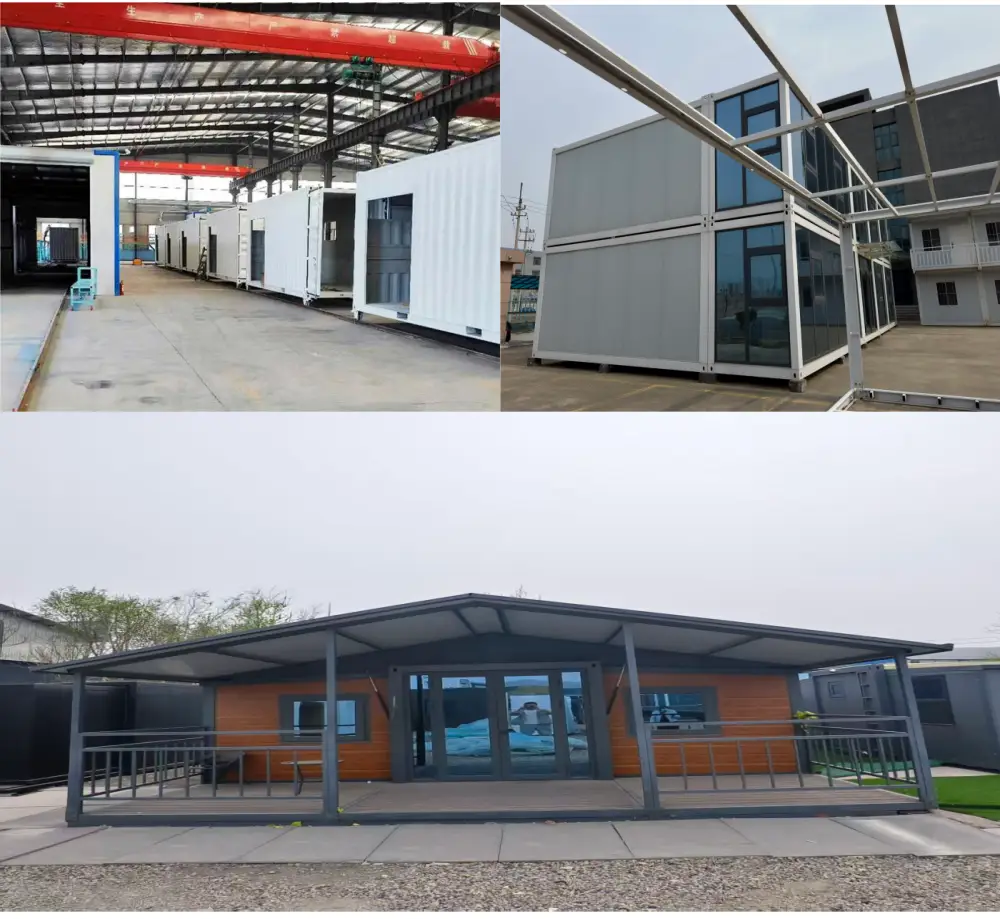
Integridad Estructural: Estas unidades están construidas con acero Corten de alta resistencia, lo que las hace adecuadas para uso permanente a largo plazo. Son la opción más confiable para sitios donde se requiere protección contra condiciones climáticas extremas o seguridad física para equipos costosos.
Bajo Mantenimiento: Debido a que no tienen partes móviles como bisagras o rieles telescópicos, requieren un mantenimiento mínimo durante su vida útil.
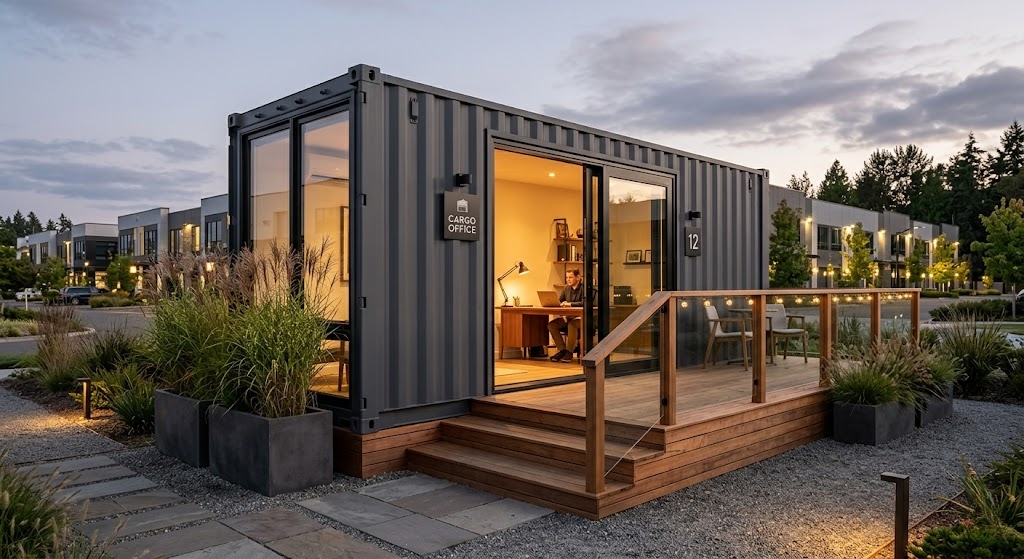
Mejor Aplicación: Ideal para oficinas de sitio permanentes, almacenamiento en sitio para equipos sensibles, o cualquier ubicación donde la oficina permanecerá fija durante varios años.
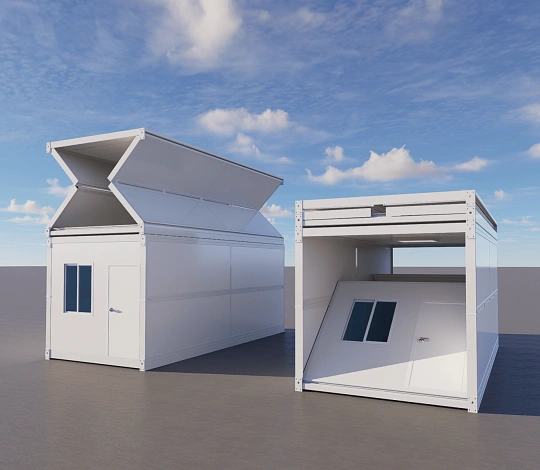
Enfoque: Eficiencia Logística y de Instalación
Ahorro en Costos Logísticos: El principal beneficio es la capacidad de transportar hasta 10 unidades en un solo espacio de contenedor de envío. Esto reduce significativamente los costos de flete y lo convierte en la opción más económica para despliegues a gran escala o proyectos que requieren mover la oficina múltiples veces.
Despliegue Rápido: Estas unidades están diseñadas para la velocidad. Los paneles de pared preinstalados y los sistemas de bisagras permiten que un equipo pequeño monte un espacio de trabajo funcional en minutos, lo cual es esencial para proyectos con cronogramas de construcción ajustados.
Mejor Aplicación: Perfecto para oficinas temporales en sitios de construcción, trabajo basado en proyectos, o cualquier situación donde la oficina necesite ser reubicada con frecuencia para seguir el ritmo del progreso del proyecto.
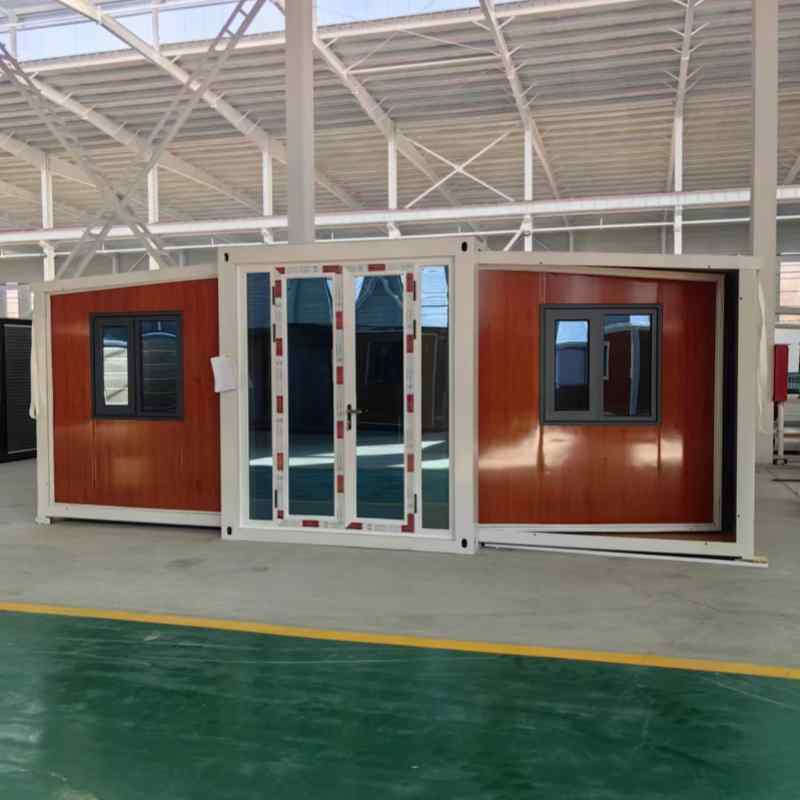
Enfoque: Utilización del Espacio y Funcionalidad
Alta Eficiencia Espacial: La principal ventaja es el aumento del área de piso utilizable. Al expandir los lados, se obtiene un espacio interior de trabajo mucho más grande sin aumentar la huella de la unidad base. Esto permite diseños más cómodos, como habitaciones separadas para reuniones o recepciones.
Comodidad Práctica: El espacio adicional facilita la organización de escritorios, gabinetes y áreas de reunión, creando un entorno más profesional que un contenedor de ancho estándar.
Mejor Aplicación: Ideal para centros de ventas, salas de exposición o áreas de atención al cliente donde se necesita un entorno de oficina con una sensación más permanente que proporcione suficiente espacio tanto para el personal como para los visitantes.
Guía de Adquisición para la Toma de Decisiones
Al seleccionar el producto adecuado para su proyecto, utilice estos criterios para mantener su decisión centrada en los requisitos prácticos:
Elija el Contenedor Oficina Estándar de Transporte si: Necesita una oficina segura, de bajo mantenimiento y a largo plazo que no se moverá. Esta es la solución más rentable para instalaciones permanentes.
Elija el Contenedor Oficina Plegable si: Su objetivo principal es ahorrar en costos de transporte e instalación. Esta es la opción correcta si tiene muchas oficinas que instalar o si la oficina se trasladará a diferentes sitios durante el proyecto.
Elija el Contenedor Oficina Expandible si: Necesita más espacio para su equipo o visitantes. Es una opción más costosa, pero proporciona la mejor distribución y comodidad para tareas de oficina que requieren un tamaño de habitación más grande y tradicional.
1. Cuantificación de la Carga Estructural
Debe calcular la capacidad de soporte de peso para garantizar la seguridad de los contenedores apilados.
Carga Estática: El peso muerto de las carcasas del contenedor y los acabados interiores (aislamiento, paneles de yeso, equipos HVAC).
Carga Viva: El peso de los ocupantes, muebles y equipos de oficina.
Carga Lateral/Viento: Cuantificación de la resistencia al viento basada en datos geográficos locales. Debido a que los contenedores son pesados en la parte superior cuando se apilan, los cálculos de carga de viento son críticos para determinar el sistema de anclaje (cimentación) requerido.
2. Cuantificación del Rendimiento Térmico (Modelado Energético)
Un contenedor de acero estándar tiene una resistencia térmica (valor R) muy baja. Debe cuantificar el aislamiento necesario para cumplir con los códigos energéticos locales de edificación.
Cálculo del Valor U: Medición de la tasa de transferencia de calor a través de las paredes, el techo y el suelo.
Puente Térmico: Cuantificación de la pérdida de calor a través del propio marco de acero. Esto se mitiga a menudo instalando una capa continua de aislamiento (como espuma de poliuretano de celda cerrada) para romper el “puente” creado por el acero.
Dimensionamiento del Sistema HVAC (BTU/h): Basándose en el volumen interno, el área superficial y la calidad del aislamiento, se calculan las BTU (Unidades Térmicas Británicas) necesarias para calefacción y refrigeración, con el fin de mantener un clima interior estable.
3. Utilización del Espacio y Datos Dimensionales
Dado que los contenedores tienen dimensiones fijas (típicamente 8 pies de ancho por 8.5 o 9.5 pies de alto), el diseño del espacio es un problema de restricciones cuantitativas.
Área Útil Neta: Después de considerar el grosor de las paredes interiores (montantes + aislamiento + panel de yeso, típicamente 4–6 pulgadas por pared), el ancho interior utilizable se reduce. Debe calcular si la disposición prevista de los muebles encaja dentro de estas dimensiones “netas”.
Altura Libre: Consideración de la altura del suelo terminado y los tratamientos del techo para garantizar que el espacio cumpla con los requisitos mínimos de altura del código comercial.
4. Cuantificación de Costos y Logística
Relación Modificación-Costo: Medición del costo de cortar, reforzar y soldar en comparación con el costo de los acabados interiores modulares.
Logística de Transporte: Cuantificación de la distancia desde el taller de fabricación hasta el sitio. Esto determina si las unidades deben transportarse como módulos completamente terminados (que requieren logística de grúa) o como kits “desmontables” para ensamblar en el sitio.
Fenómeno:
La unidad se pliega en una estructura compacta y se despliega en minutos.
Principio de ingeniería:
Utiliza sistemas cinemáticos basados en bisagras + paneles de pared preinstalados. La integridad estructural depende de la resistencia de las bisagras y los mecanismos de bloqueo.
Referencia de Datos:
Tiempo de instalación: 2 trabajadores × 10–15 minutos
Capacidad de transporte: 8–10 unidades / 40HQ
Ciclo de vida de las bisagras: 300–500 ciclos de plegado
Resultado Económico:
Ahorra $800–$1,500 por contenedor en mano de obra de instalación
Reduce el cronograma del proyecto en un 70%
Ideal para despliegue urgente (obras de construcción, ayuda en desastres)
Fenómeno:
Las paredes laterales se expanden hacia afuera para aumentar el espacio interior utilizable.
Principio de ingeniería:
Se basa en rieles de acero telescópicos + juntas de expansión sincronizadas. La estabilidad estructural depende de los rieles de carga y el refuerzo del suelo.
Referencia de Datos:
Resultado Económico:
1. Rigidez Estructural vs. Velocidad de Despliegue
Contenedores Estándar: Se benefician de la ingeniería original del contenedor ISO: la capacidad de apilar hasta 9 unidades de altura. La ruta de carga se transfiere directamente a través de los postes de esquina. No hay pérdida mecánica de resistencia con el tiempo.
Unidades Plegables: Estas priorizan la densidad logística. Debido a que las paredes están articuladas, la resistencia “monocasco” (de piel tensada) del contenedor original se ve comprometida. Para compensar, dependen de pernos de bloqueo de alta resistencia. El cuello de botella de ingeniería aquí es la fatiga en los puntos de bisagra; las vibraciones durante el transporte o el asentamiento del terreno pueden provocar desalineación en el sistema de bloqueo.
Unidades Expandibles: Estas representan el desafío mecánico más complejo. Cuando la unidad se expande, el centro de gravedad se desplaza y las secciones en voladizo introducen momentos flectores en el marco principal del suelo. Los ingenieros deben cuantificar la deflexión (hundimiento) en los bordes exteriores, lo que a menudo requiere pilares de soporte hidráulicos o de gato de tornillo debajo de las alas expandidas para evitar fallos estructurales.
2. Integridad Térmica y de Humedad
Contenedores Estándar: Mejor para la consistencia térmica. Dado que hay menos juntas y piezas móviles, lograr una envolvente térmica continua (sin fugas de aire) es sencillo.
Unidades Plegables/Expandibles: Estas son propensas a “puentes térmicos” e infiltración de aire. Cada bisagra, pliegue o junta telescópica es un sitio potencial para la pérdida de calor o la entrada de agua. La cuantificación requiere una Clasificación de Rendimiento del Sellador; más alta; los fabricantes suelen usar juntas de goma EPDM de doble capa para mantener un sello hermético en las interfaces de expansión/plegado.
3. Evaluación Cuantitativa de Riesgos (El “Intercambio”)
Estándar: Alto CAPEX para transporte (1 unidad por camión), pero el menor mantenimiento y el mayor valor de reventa.
Plegable: Mejor para logística rápida (alto ROI en envío), pero el mayor riesgo de fallo mecánico (corrosión o fatiga de bisagras) después de montajes repetidos.
Expandible: Mejor para maximizar el área de suelo (eficiencia de costo por pie cuadrado), pero la mayor complejidad estructural y riesgo de fugas en las juntas de expansión.
El costo de envío se calcula en función del CBM (Volumen en metros cúbicos), no del valor del producto.
Oficina de contenedor marítimo estándar: ~25–30 CBM/unidad
Esto significa:
Suponga que el importador compra 50 unidades:
Oficina de contenedor marítimo estándar:
Plegable:
Expandible:
Razonamiento:
Razonamiento:
Razonamiento:
| Categoría | Contenedor Oficina Estándar de Transporte | Contenedor Oficina Plegable | Oficina de contenedor expandible |
|---|---|---|---|
| Enfoque principal | Durabilidad y seguridad | Eficiencia logística y de montaje | Uso del espacio y funcionalidad |
| Sistema estructural | Monocasco fijo (acero Corten) | Sistema plegable basado en bisagras | Rieles telescópicos + juntas de expansión |
| Área utilizable (base de 20 pies) | 12–15 m² | 12–15 m² | 36–40 m² (expansión de 2–3 veces) |
| Eficiencia de Transporte | 1 unidad / 40HQ 25–30 CBM | 8–10 unidades / 40HQ 4–5 CBM | 1 unidad / 40HQ 25–30 CBM |
| Tiempo de Instalación | 1–2 días | 10–15 minutos (2 trabajadores) | 2–3 horas |
| Nivel de mantenimiento | Más bajo (sin partes móviles) | Medio (fatiga de bisagras después de 300–500 ciclos) | Más alto (juntas, sellos, deformación) |
| Rigidez estructural | Más alta (apilable hasta 9 niveles) | Buena cuando está bloqueada, comprometida por las bisagras | Complejo (requiere pilares de soporte) |
| Integridad térmica y de humedad | Mejor (menos juntas) | Bueno (sellado de bisagras crítico) | Moderado (juntas de expansión vulnerables) |
| Precio del producto (aprox.) | $5,500 / unidad | $2,800 / unidad | $8,000 / unidad |
| Costo total por unidad (50 unidades) | $7,600 | $3,450 (más bajo) | $10,200 (más alto) |
| Ventaja principal | Durabilidad a largo plazo y valor de reventa | Costo total más bajo + logística más rápida | Espacio utilizable máximo y sensación premium |
| Desventaja principal | Alto costo de envío e instalación lenta | Fatiga mecánica por uso repetido | Mayor costo + riesgo de fugas/deflexión |
| Mejores Aplicaciones | Oficinas permanentes, almacenamiento seguro, sitios a largo plazo | Sitios de construcción temporales, reubicación frecuente, ayuda en desastres | Centros de ventas, salas de exhibición, oficinas orientadas al cliente |
| Escenario ideal | Alojamiento para trabajadores a largo plazo Instalación permanente y segura | Proyectos de alta rotación Prioridad de presupuesto + velocidad | Maximización del espacio Impacto comercial |
En La comparación de diferentes contenedores oficina lleva a una conclusión clara:
Si su modelo de negocio incluye importación a granel + reventa, la cartera óptima es:
Esta combinación maximiza:
Su dirección de correo electrónico no será publicada. Los campos obligatorios están marcados con *.
 Inglés