English
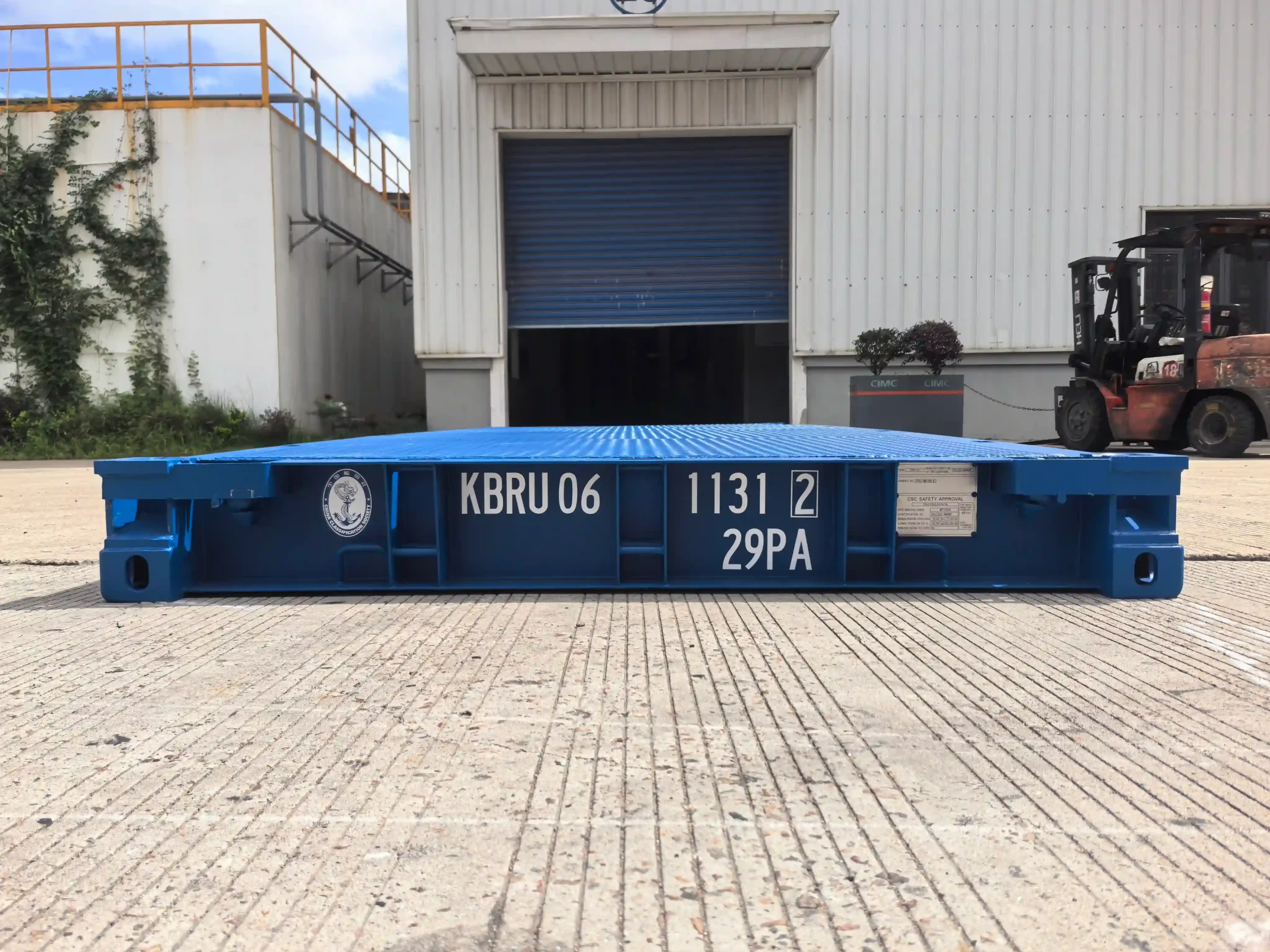
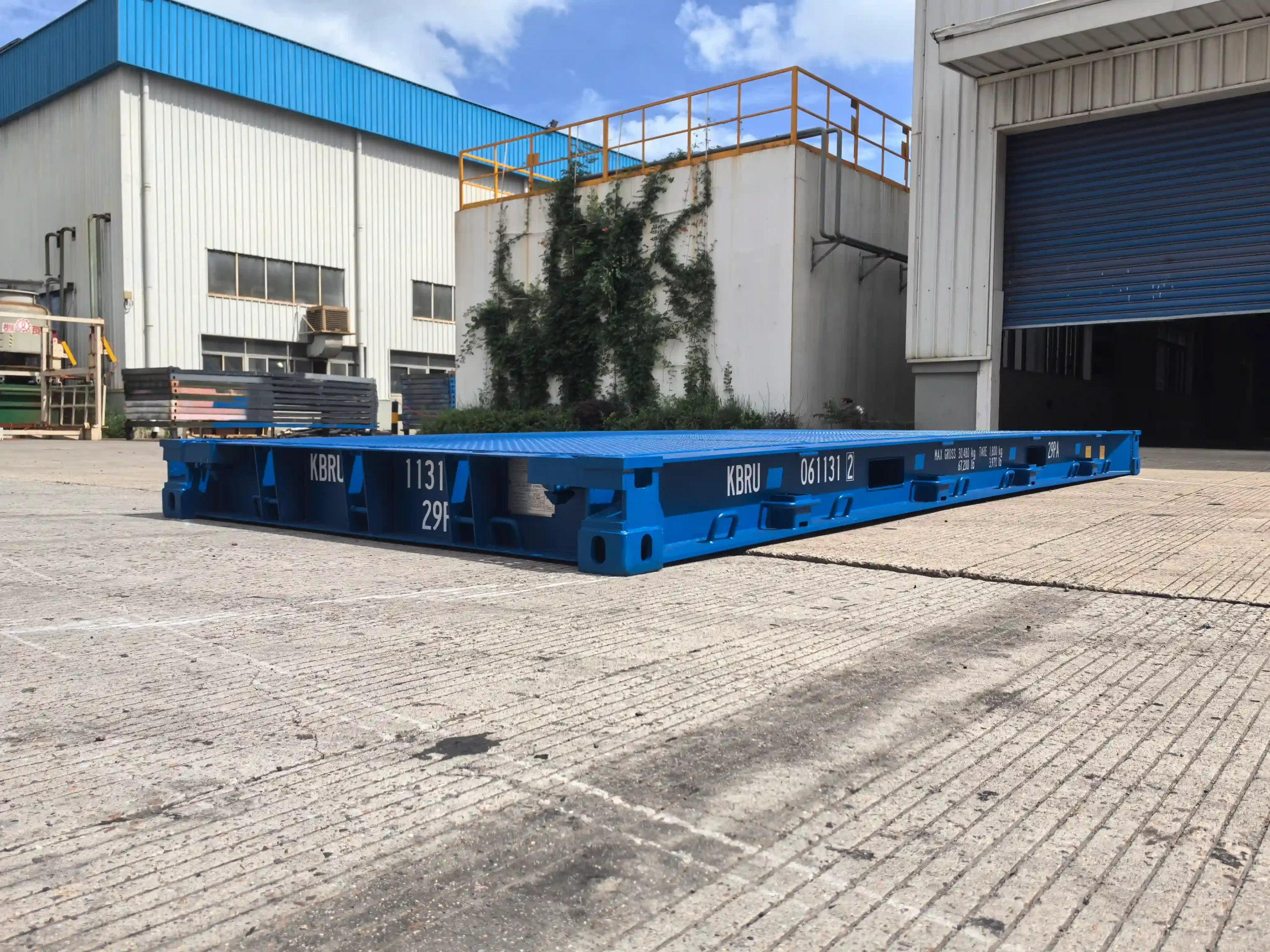
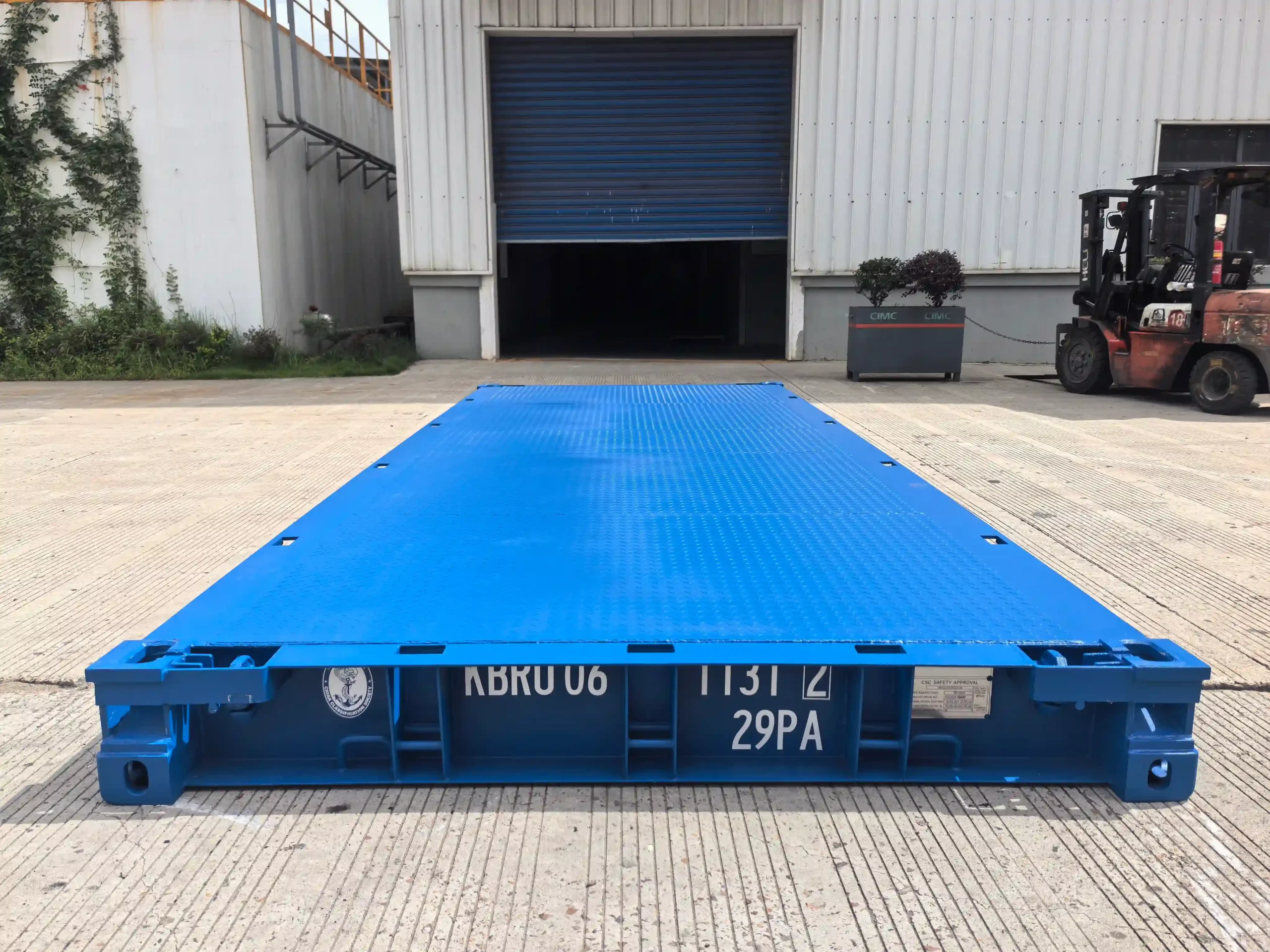
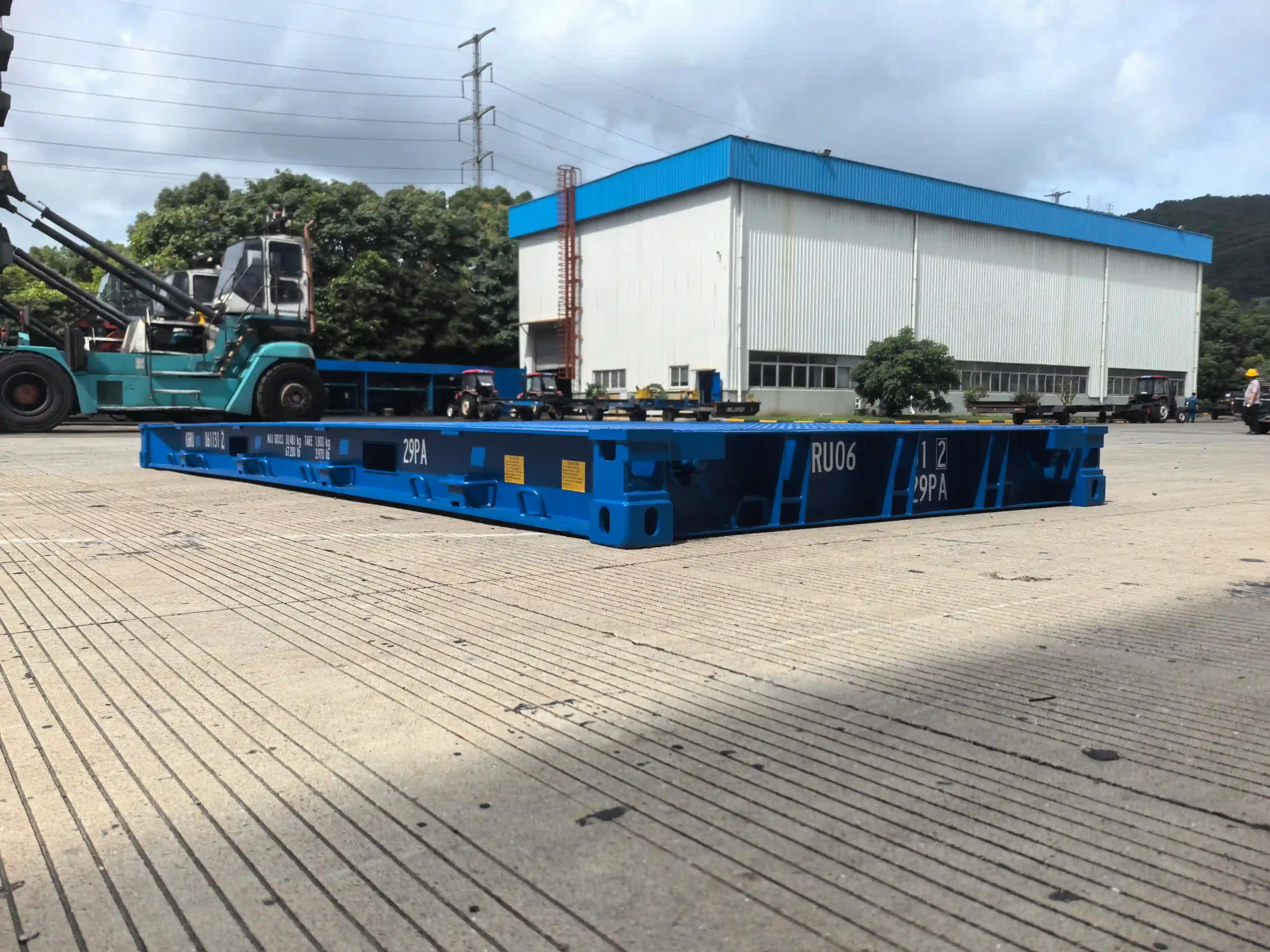
Descriptions
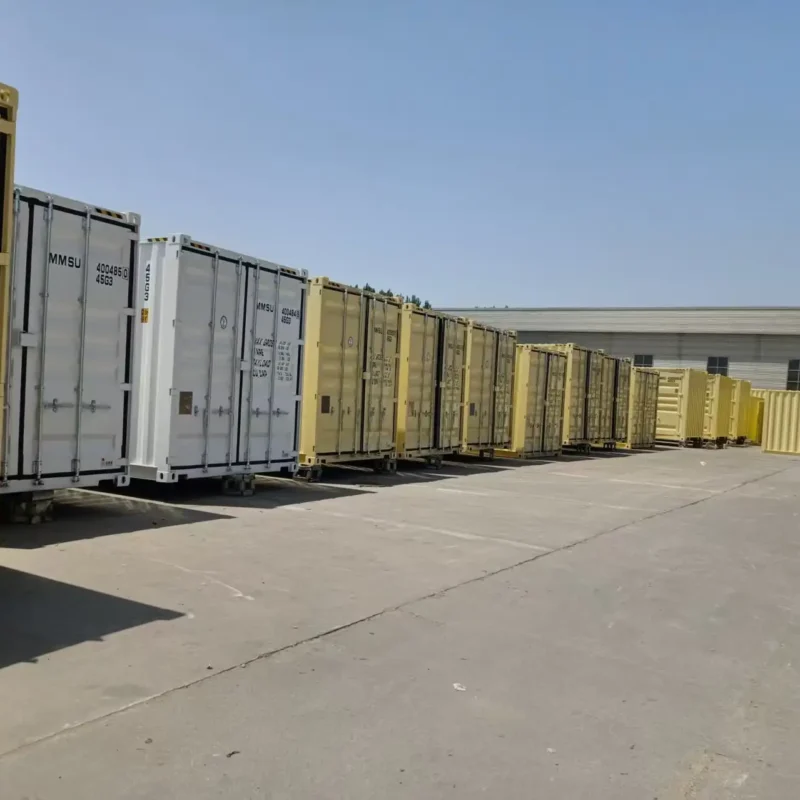
For importers, EPC contractors, and project buyers evaluating elevated modular infrastructure, the platform container has become the default specification for creating a safe, structurally certified working or viewing surface without the 8–14 week lead time typical of site-built steel platforms. As a China-based manufacturer of container-based structures serving export markets across five continents, GKC produces platform containers as standard stock modules and as fully customized OEM/ODM units, shipped ready for on-site assembly with minimal crane time and no local welding required.
Platform Container Overview: What a Container Platform System
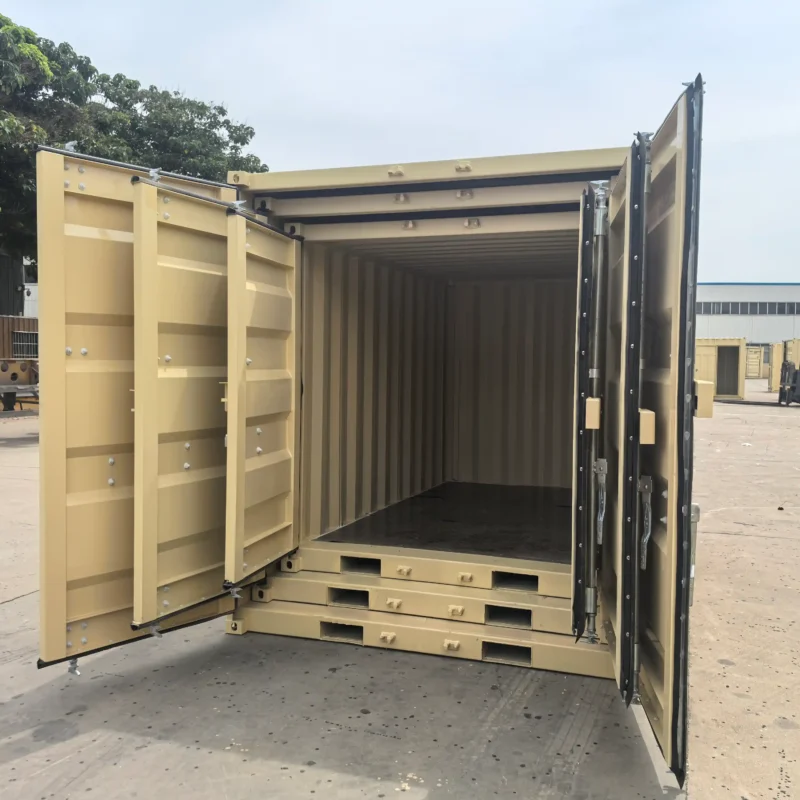
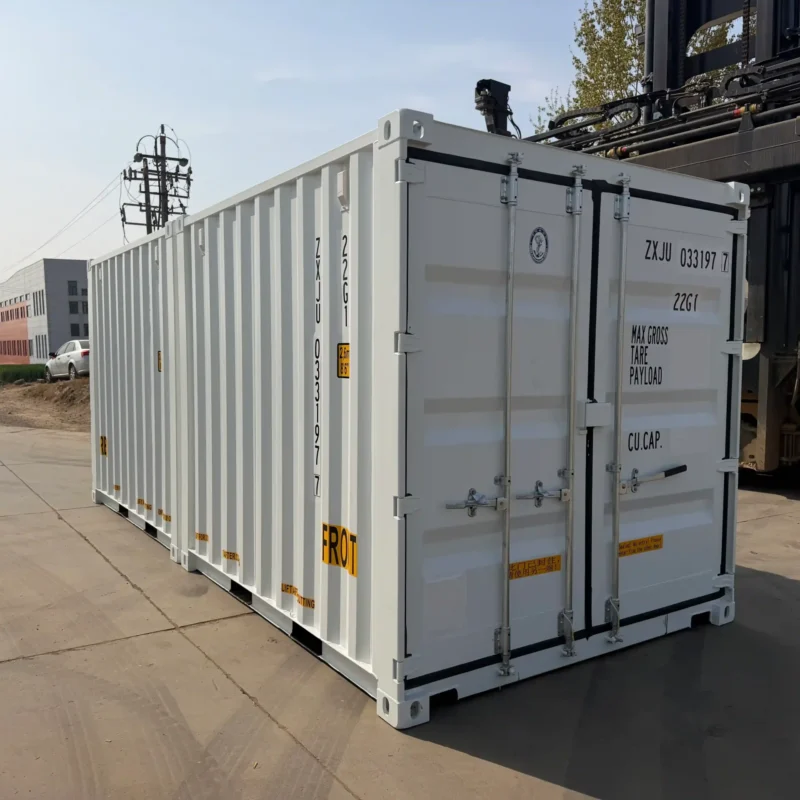
A platform container is a structural module built on a reinforced ISO shipping container chassis, engineered to carry distributed and point loads at height rather than to enclose habitable space. Unlike a converted container house, the platform container’s design priority is load path, deck rigidity, and access safety — the container frame functions primarily as the load-bearing substructure, with the deck, guardrails, stair access, and (where specified) roofing treated as separate engineered systems bolted or welded to that base.
Buyers typically source this product under several working names depending on the application and region — container platform system, modular platform container, elevated container platform, or simply “platform module.” These are functionally the same product family GKC manufactures, differentiated mainly by deck height, guardrail configuration, and access method. We use these terms interchangeably in technical documentation because that is how the RFQs actually arrive from different markets.
Core selling points that distinguish a factory-engineered unit from a fabricated-on-request platform:
- Corner-casting-compatible base frame — stackable and standard-crane-lift ready at every port
- Deck load rating independently certified from the container’s original cargo rating
- Bolted modular connections — no site welding, reducing installation to 1–2 days per unit with a rigging crew
- Compatible with standard 20ft and 40ft container logistics — no oversize freight surcharges in most trade lanes
Platform Container Specifications
| Parameter | Standard 20ft Platform Container | Standard 40ft Platform Container |
|---|---|---|
| Base frame dimensions (L×W×H) | 6,058 × 2,438 × 2,591 mm | 12,192 × 2,438 × 2,591 mm |
| Deck height (adjustable range) | 600 – 3,000 mm above grade | 600 – 3,000 mm above grade |
| Deck live load rating | 350 kg/m² (standard) / 500 kg/m² (heavy-duty option) | 350 kg/m² (standard) / 500 kg/m² (heavy-duty option) |
| Frame steel | Corten A weathering steel, 3–6 mm gauge | Corten A weathering steel, 3–6 mm gauge |
| Deck surface | Checkered steel plate or GRP anti-slip grating | Checkered steel plate or GRP anti-slip grating |
| Guardrail height | 1,100 mm (adjustable to local code) | 1,100 mm (adjustable to local code) |
| Wind load resistance | Up to 12 (typhoon-rated frame option available) | Up to 12 (typhoon-rated frame option available) |
| Corrosion protection | Hot-dip galvanized + polyurethane topcoat | Hot-dip galvanized + polyurethane topcoat |
| Access options | Fixed steel stair, folding ramp, or modular scaffold stair | Fixed steel stair, folding ramp, or modular scaffold stair |
| Stacking capability | Up to 3 levels (engineering sign-off required above 2) | Up to 3 levels (engineering sign-off required above 2) |
| Standard finished weight | ~2,600 – 3,400 kg | ~4,800 – 6,200 kg |
All figures above are baseline factory specification. Deck load rating, wind zone rating, and access configuration are adjusted per project on request — see the customization section below.
Platform shipping Containers Applications: Where Buyers use it
- Event and spectator viewing platforms — often paired with our container grandstand line for elevated VIP or camera platforms at sporting and festival venues
- Industrial work platforms — mezzanine-style access decks for maintenance, loading dock extensions, or equipment servicing at height
- Construction site management platforms — elevated site office or inspection platforms with fast mobilization/demobilization
- Oil, gas, and mining site platforms — corrosion-rated units for remote sites where local fabrication is not viable
- Temporary and semi-permanent pedestrian bridges/walkways — modular platform units linked end-to-end
- Marine and port-adjacent platforms — corner-casting compatibility simplifies handling at container terminals
Advantages: What Buyers Gain From a Container Platform System
The commercial case for a container platform over conventional scaffolding or poured/welded steel platforms comes down to three procurement-level factors: lead time, cost predictability, and structural documentation. A platform container ships with mill certificates, load test documentation, and — on request — third-party inspection reports, which matters more to import compliance teams than the finished product’s appearance.
Feedback we’ve compiled from buyers deploying this product line across different sectors and regions:
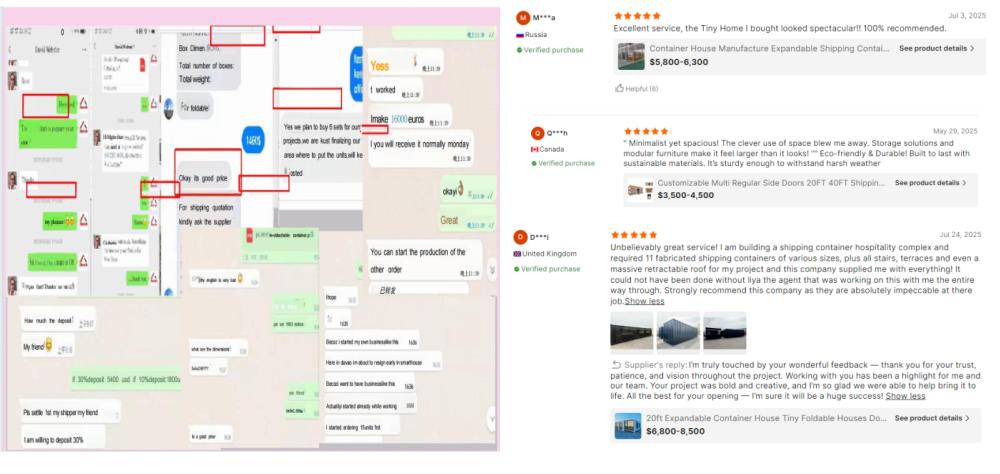
“We specified the heavy-duty deck rating for a maintenance platform at our processing facility outside Rotterdam. Load documentation cleared our internal engineering review without a follow-up request, which isn’t typical from Asian suppliers on this product category.” — Industrial procurement manager, Netherlands
“Ordered two units for an elevated inspection platform on a mining site in the Pilbara. The galvanized frame is holding up fine after one wet season; no rework needed on the coating.” — Site operations lead, Western Australia
“We use platform containers as camera and broadcast platforms alongside your grandstand units for regional football venues. Bolted assembly meant our local rigging crew had both units up in under two days.” — Event infrastructure contractor, South Africa
“Our concern going in was wind loading — coastal site, frequent gusts. The typhoon-rated frame option and the wind load documentation you provided got us through municipal permitting without a redesign.” — Facilities contractor, Gulf Coast, United States
“Bought as a temporary elevated walkway between two warehouse buildings during a renovation. Simple bolt-together install, and we’ve since repurposed the same units for a loading platform.” — Logistics operations manager, Brazil
Why Choose Us: advanced Manufacturing and Delivery Capability
GKC manufactures platform containers, container grandstands, and related container-based structures at a single production base, which means platform units destined for combined-use projects — a viewing platform paired with grandstand seating, for example — are engineered and fabricated together rather than sourced from separate factories and reconciled on site.
- In-house structural engineering — deck load, wind load, and stacking calculations produced internally, not outsourced per order
- Factory-direct pricing — no trading-company markup; buyers deal directly with the production facility
- Documentation in your working language — purchase agreements, load certificates, and technical datasheets provided in the buyer’s native language on request, in addition to English and Chinese, to reduce internal review friction on the buyer’s side
- Container-standard logistics — units are designed to ship within standard container freight dimensions, avoiding the oversize-cargo surcharges that apply to conventional modular platforms
- Factory inspection access — buyers or their appointed third-party inspectors are welcome to inspect production in person or via live video walkthrough prior to shipment
Working Principle: How Load Is Managed in a Container Platform
The engineering distinction buyers should understand when comparing suppliers: a shipping container’s original cargo rating is a stacking/racking rating, not a distributed deck-load rating, and the two are not interchangeable. GKC’s platform containers use the container base frame purely as the load-bearing chassis, with a secondary structural deck frame — typically I-beam or C-channel steel — welded or bolted across the container top rail to distribute live load evenly into the four corner castings. This secondary frame is what allows the deck to carry the 350–500 kg/m² live loads listed in the specification table above; the corner castings then transfer that combined load down through the container’s corner posts, which is the only part of the original container structure engineered to bear significant compressive load. Guardrail posts are through-bolted to this same frame rather than to the thinner deck plate, which is the detail most commonly missed by non-specialist fabricators and the most common cause of platform failure at inspection.
OEM/ODM: Customization and Add-On Options
Standard specification covers most applications, but the majority of export orders GKC processes include at least one customized element:
- Deck height adjusted to project-specific elevation requirements
- Heavy-duty deck load rating (500 kg/m²+) for industrial or equipment-bearing applications
- Regional wind/seismic load compliance (typhoon zone, seismic zone rating on request)
- Custom guardrail height and infill (mesh, vertical bar, or solid panel) to match local building code
- Roof canopy addition for weather-exposed platforms
- Electrical rough-in (lighting, power outlets) for platforms used as work or event stations
- Custom paint/coating in buyer or brand-specified RAL colors
- Multi-unit linking hardware for platforms assembled from more than one container module
- Branding and signage integration for event or commercial venue use
OEM and ODM orders are handled through the same in-house engineering team as standard production, so customization does not typically extend lead time beyond 1–2 weeks over baseline.
platform container Packaging and Shipping
Standard-specification platform containers run a production lead time of approximately 20–30 days from deposit and drawing confirmation; OEM/ODM units with engineering review typically add 5–10 days. Lead times extend during the pre-Chinese New Year peak production period (roughly December through early February) — buyers with fixed installation dates in Q1 should confirm production slots at least 8 weeks in advance.
Units ship in their assembled or semi-knocked-down state depending on destination port handling capability and are secured for standard flat-rack or open-top container vessel transport. GKC provides export documentation, packing lists, and Incoterm-specific shipping arrangements (FOB, CIF, CFR) as standard, with all units palletized or lashed to prevent transport damage to coating and deck surfaces.
platform container FAQ
What is the minimum order quantity for a platform container?
Standard-specification units can be ordered as a single piece. OEM/ODM customized units generally carry a 2-unit minimum to justify engineering setup, though this is assessed per project scope.
Can a platform container be combined with your grandstand seating units?
Yes — this is one of the more common combined orders we process, typically as a VIP or camera platform positioned adjacent to or above grandstand seating blocks. Both product lines are engineered on the same production base for compatible connection hardware.
Does the deck load rating apply to point loads (e.g., heavy equipment) or only distributed loads?
The published rating is a distributed live load rating. Point loads from heavy equipment require a separate calculation based on the equipment’s footprint and weight — provide this detail at inquiry stage and our engineering team will confirm whether standard or heavy-duty deck framing is required.
What certifications or documentation come standard with each unit?
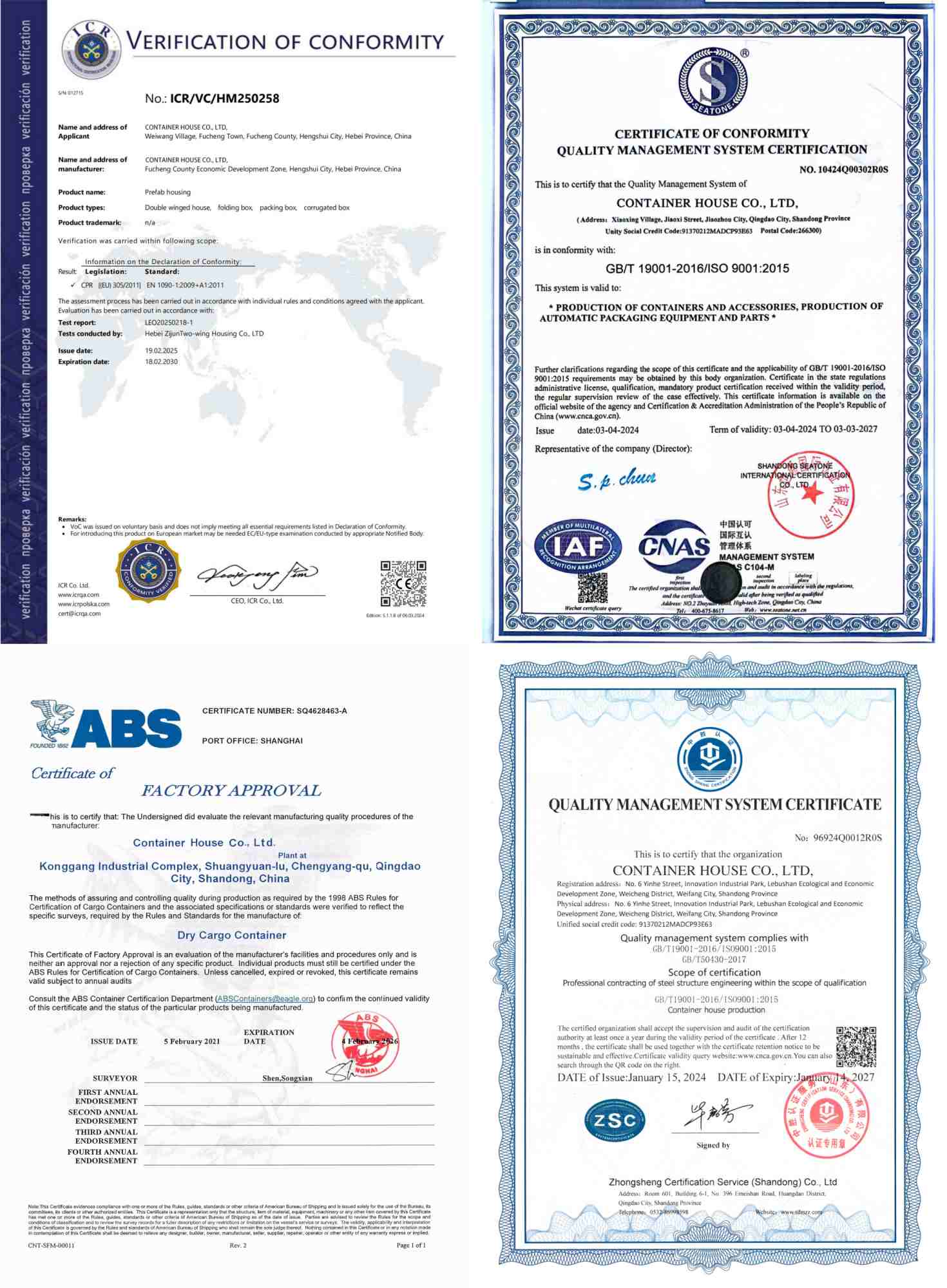
Mill certificates for structural steel and standard load test documentation are included as standard. Third-party inspection (SGS, BV, or equivalent) and destination-market compliance certification can be arranged on request, typically at the buyer’s cost for the inspection body’s fee.
Can platform containers be relocated or reused after the initial installation?
Yes — the bolted modular connection system is designed for disassembly and relocation, which is a key reason buyers choose this product over site-welded platforms. Units should be inspected before reinstallation if they have been in storage for an extended period or transported to a different wind/seismic zone.
Whether the requirement is a single standard platform container or a fully customized elevated platform system engineered for a specific site condition, GKC’s in-house engineering and production capability means the specification, quotation, and manufacturing happen under one roof — not across a chain of subcontracted fabricators. Buyers evaluating suppliers for platform container projects are welcome to submit project drawings or load requirements for a formal quotation and lead-time confirmation.