English
Descriptions
Energy Storage Container Made by Factory
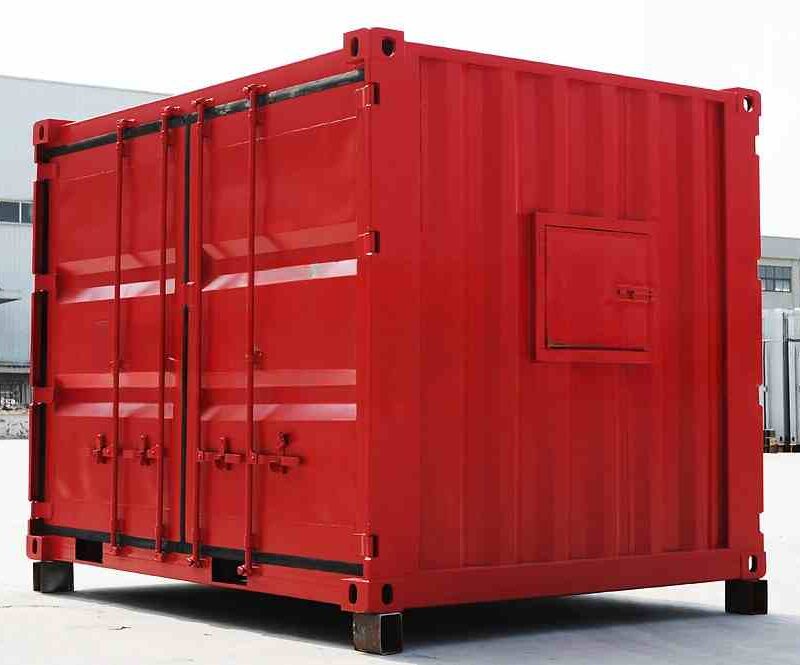
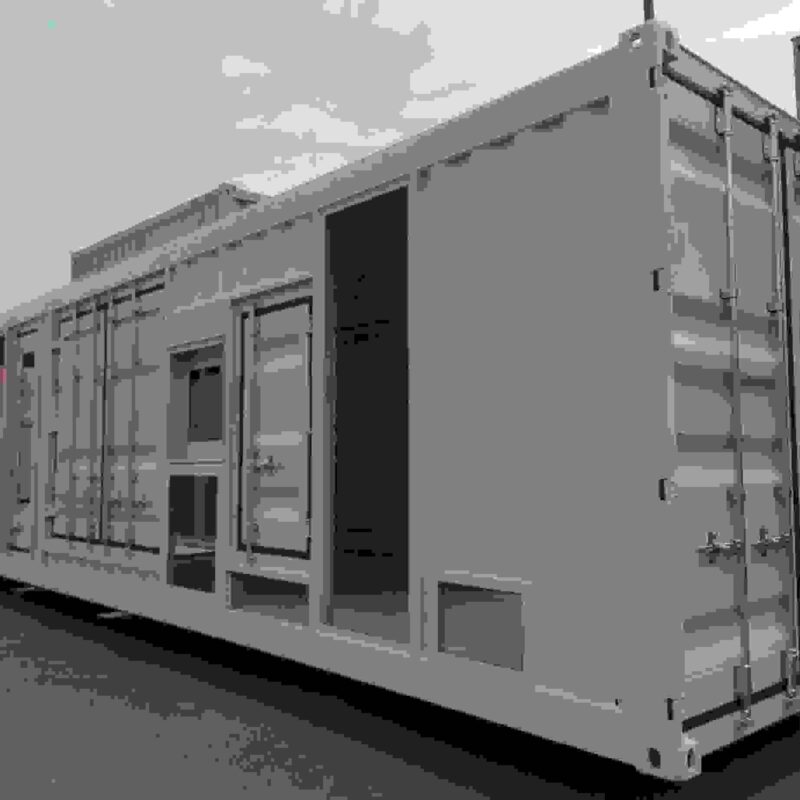
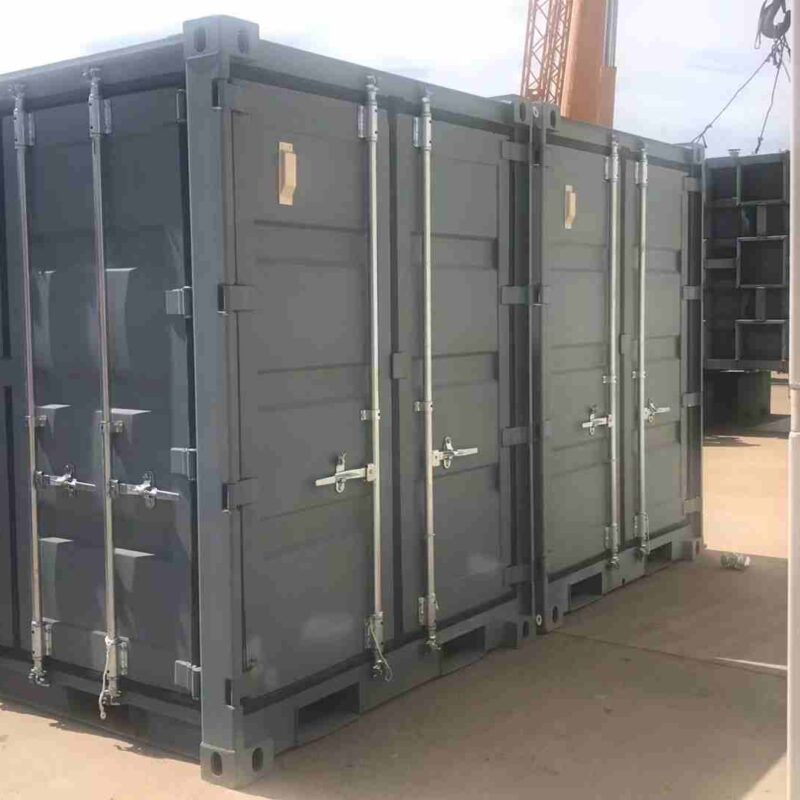
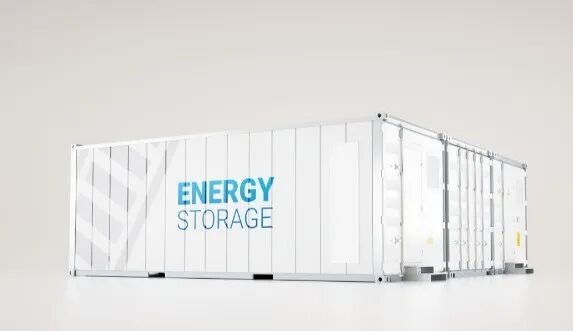
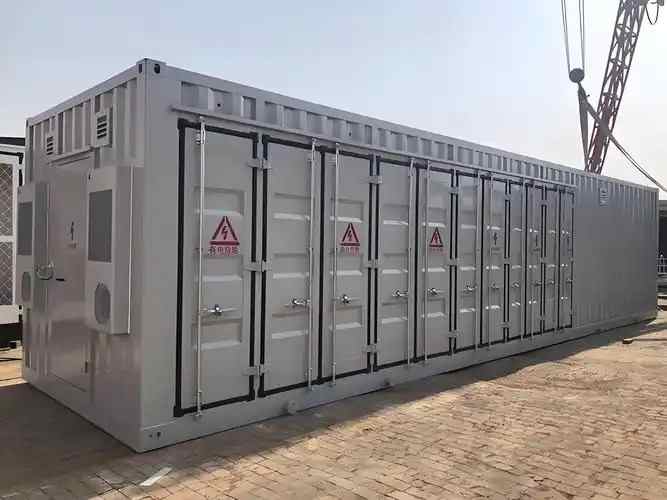
An energy storage container houses a complete battery energy storage system (BESS) — battery racks, PCS, EMS, thermal management, and fire suppression — inside a structurally reinforced steel enclosure rated for continuous outdoor deployment. For solar-plus-storage developers, EPC contractors, and utility integrators, the container itself is not a secondary component: it determines whether the system survives 15–20 years of thermal cycling, coastal humidity, and vibration during transport without structural failure or water ingress.
We manufacture these enclosures in-house — steel cutting, welding, painting, and integration testing all take place on our own production floor. We are not a trading company reselling assembled units.
Enclosure Construction
- Frame: galvanized steel, 2.0–3.0 mm wall thickness, corner-casting reinforced for ISO stacking and crane/forklift handling
- Wind rating: structurally rated to 120 km/h
- Design service life: 15–20 years in continuous outdoor service
- Ingress protection: sealed cable entry points, gasketed doors, drainage detailing for battery and PCS compartments
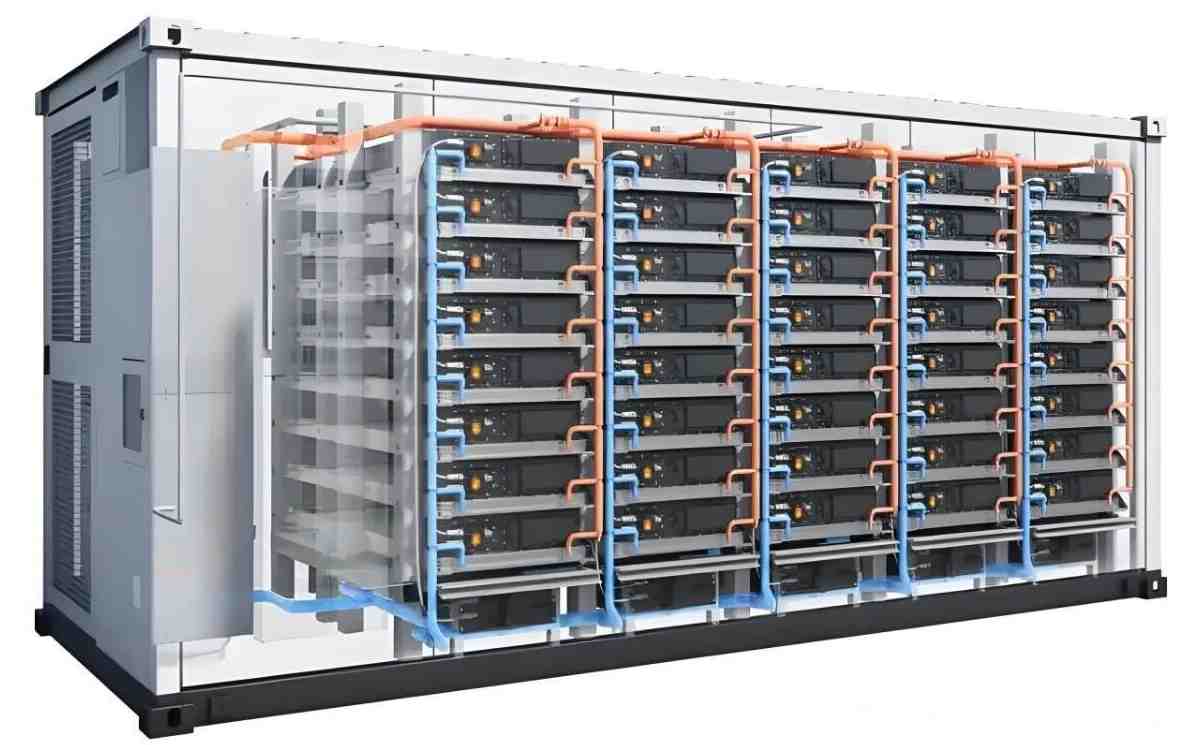
- Thermal management: liquid cooling or forced-air ventilation, sized to the battery chemistry and ambient design temperature
- Fire protection: compartmentalized battery racks with integrated suppression, aligned with the safety envelope described in NFPA 855, the U.S. standard for the installation of stationary energy storage systems
System Integration
Each container is delivered as a tested, ready-to-energize unit:
- Battery racks (LFP standard; alternate chemistries on request)
- Power conversion system (PCS) compartment
- Energy management system (EMS) and monitoring
- Cable trays, DC/AC switchgear space, and safety interlocks
- Cooling or ventilation system sized to the thermal load
Electrical design references IEC 62933, the international standard series for electrical energy storage systems, and fire-safety validation follows the large-format cell test protocol in UL 9540A, the standard method for evaluating thermal runaway fire propagation in battery energy storage systems.
Configurations
-
Container length
-
Standard: 20ft / 40ft
-
Custom: Non-standard lengths on request
-
-
Battery chemistry
-
Standard: LFP
-
Custom: On request
-
-
Cooling
-
Standard: Forced air
-
Custom: Liquid cooling
-
-
Door / cable entry position
-
Standard: Per drawing
-
Custom: Project-specific
-
-
Exterior finish
-
Standard: Standard paint
-
Custom: Client color and logo branding
-
Drawings are issued for approval before production starts — nothing goes to the welding floor without a signed-off layout.
Deployment Use Cases
- Utility-scale and commercial solar plants
- Wind power projects requiring firming capacity
- Industrial and data center backup power
- Grid peak shaving
- Remote and island microgrids
Why Source From a Manufacturer, Not a Reseller
- Steel cutting, welding, and painting done in-house — not subcontracted
- One container, one tested unit before it leaves the factory
- Drawings issued and approved before production
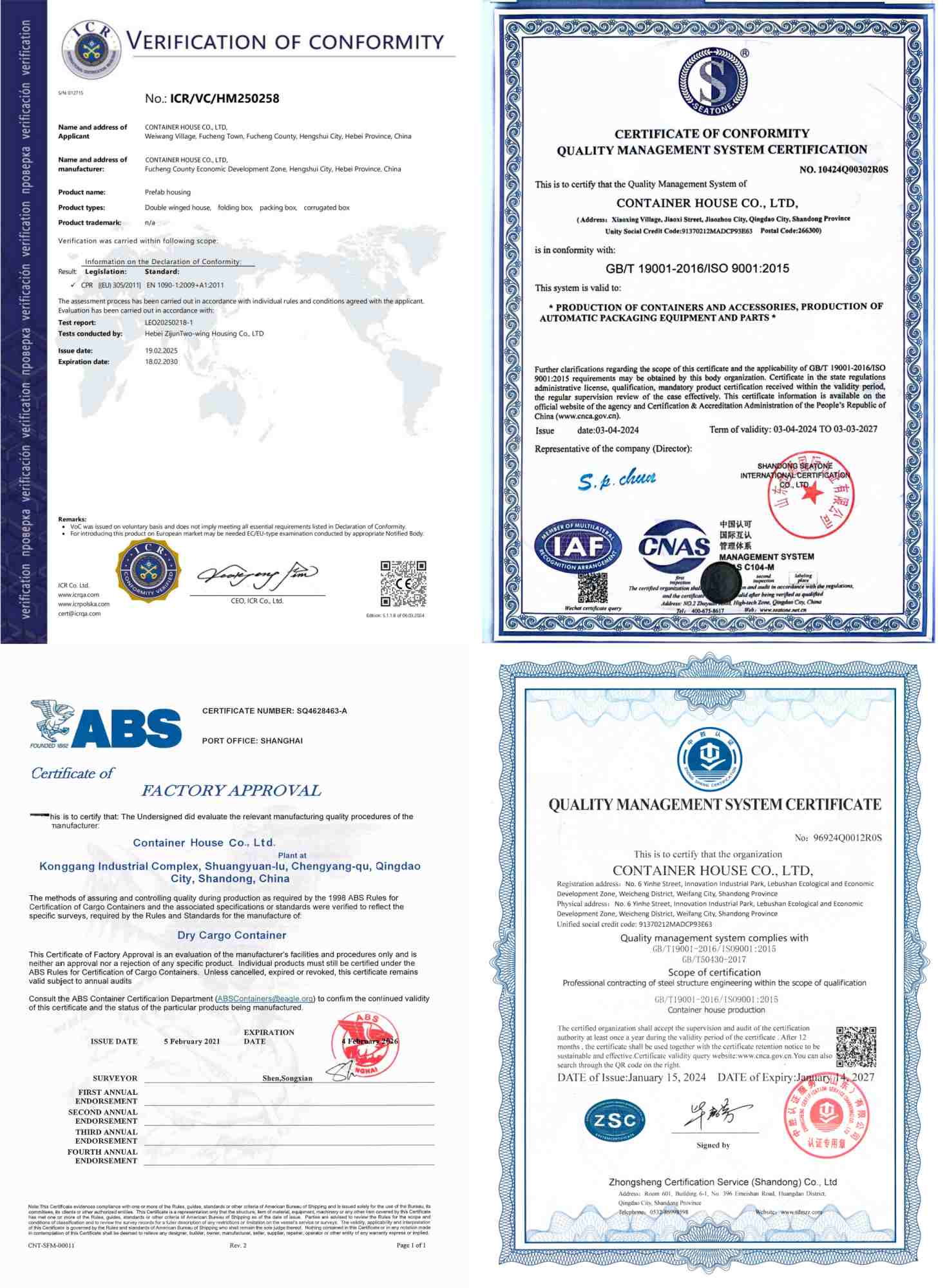
- Certified under ISO 9001 quality management
- Direct factory pricing with no reseller markup on the enclosure
Request a Quote
Send us your target capacity (MWh), site location, and preferred chemistry, and we’ll return a drawing and factory quote — talk to the people building the container, not a reseller passing along someone else’s spec.