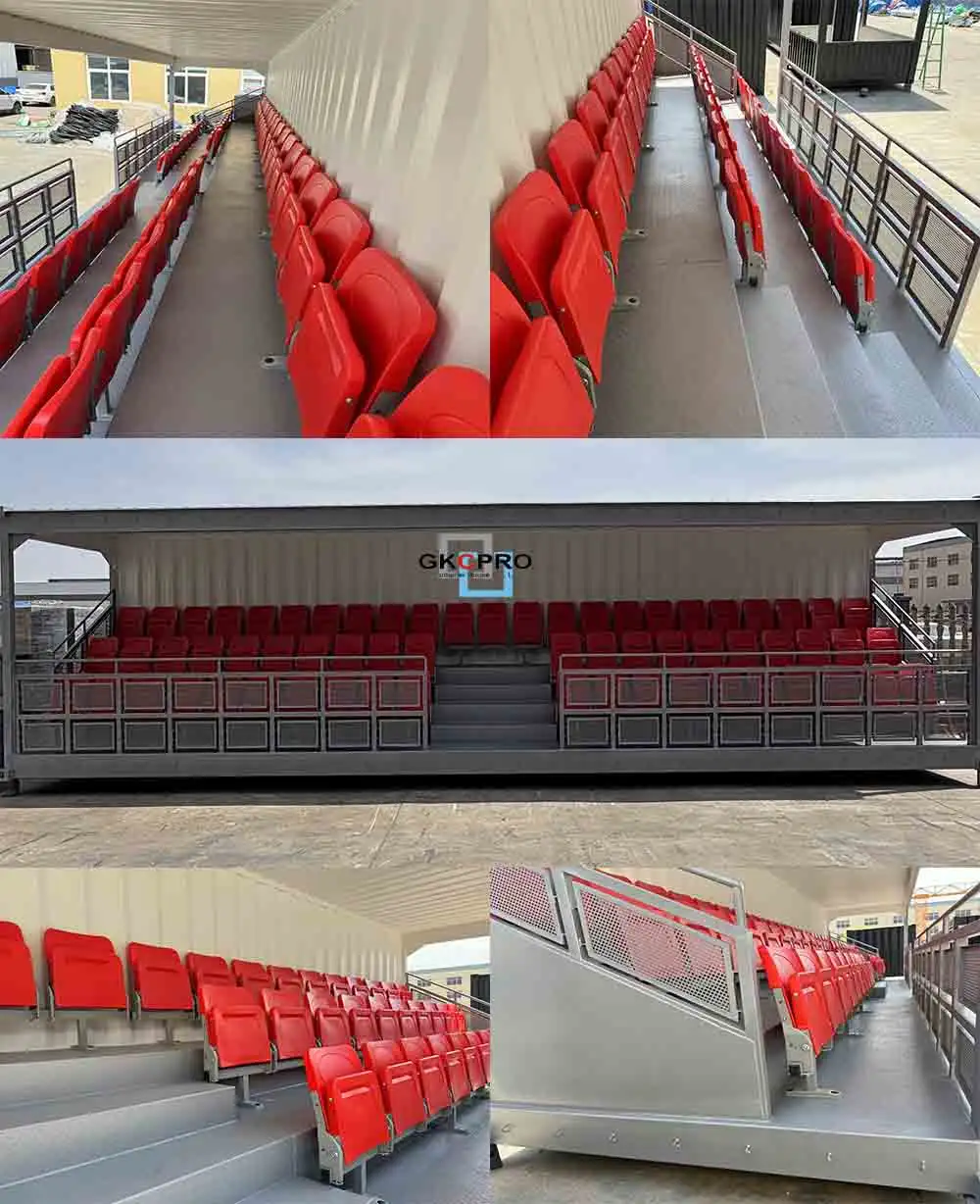
Choosing the right expandable container house manufacturer is crucial for businesses seeking durable, flexible, and cost-effective solutions. This guide outlines the top 5 factors to consider when selecting a manufacturer, including product quality, customization options, delivery timelines, cost-effectiveness, and customer support. These points will help you make an informed decision when sourcing expandable container houses for your projects.
Sourcing modular housing container from China is a game of details. On the surface, every product looks identical in the catalog photos. The render looks sleek, the price looks attractive, and the promises sound perfect. But as a Expandable Container House manufacturer, we know the reality is often different. We have seen wholesale buyers lose their margins because they ignored the “invisible” specifications. A unit might look great on day one, but how does it hold up after six months of heavy rain or constant tenant turnover?
If you are a contractor or an importer, you need a partner, not just a seller. Here is the insider guide on how to filter your options and find a factory that protects your reputation.
The skeleton of your container house dictates its lifespan. This is the first place where a low-cost supplier cuts corners because once the wall panels are on, you cannot see the frame.
Many manufacturers still use black iron folded parts for their main frames. Black iron is cheap, but it has poor stability and is highly susceptible to rust. I once visited a construction site where a client had purchased budget units from a different vendor. The structural integrity was already compromised by rust before the project was even handed over.
You must insist on frames entirely pressed from galvanized square steel and galvanized strip steel. At Container House manufacturer use this standard exclusively. The difference in corrosion resistance is massive.
Pay attention to the corner fittings as well.
We use these heavy-duty fittings because we know how rough port handling can be. A bent frame means the expandable sections won’t unfold correctly, costing you thousands in on-site labor.
This is a specific pain point for project managers. You walk into a unit, and the floor feels “bouncy.” It feels cheap. This happens when the factory skimps on the sub-floor structure.
Ask your potential maker about their floor grid.
We recently supplied a mining camp project where heavy boots and equipment were the norm. Because we used 13 purlins combined with cement sanding boards (instead of the moisture-absorbing bamboo-wood boards many others use), the floors remained rigid and deformation-free. Bamboo wood boards tend to warp over time, especially in humid climates, leading to uneven flooring that requires expensive replacement.
A China wholesaler often judges a book by its cover. In our industry, the “cover” is the paint and the wall panel.
Does the supplier use simple spray painting? If so, expect peeling. Spray painting often leads to uneven coverage and pollution. We utilize an electrostatic spray baking paint process. This ensures high adhesion and a smooth finish. It is the difference between a car factory finish and a backyard paint job.
Most factories use 950-type boards produced on small lines with 0.3mm metal sheets. The bonding is poor, and joints are visible.
We use V1150 high-end purification boards. The metal sheets are 0.4mm Huafeng color steel coils—the same grade used in pharmaceutical clean rooms. They are flatter, stronger, and look significantly more premium.
Leaking pipes are a nightmare for any distributor. Once the unit is deployed, fixing a leak inside a wall is invasive and costly.
Many generic units feature exposed piping running along the walls. It looks temporary and is easily damaged by tenants.
We conceal all water pipes. Even the bathroom shower piping is embedded. This provides a clean aesthetic that residential buyers appreciate.
This is non-negotiable. Standard factories rely on traditional color steel plates and waterproof tape. Tape fails under UV exposure.
We use color coils with a 360° locking seam at center joints. We also offer an optional upgrade: a layer of fiberglass waterproof board. This enhances thermal insulation and extends the roof’s lifespan significantly.
| FEATURE | STANDARD MARKET PRACTICE | CONTAINER HOUSE CO., LTD SOLUTION | IMPACT ON BUSINESS |
|---|---|---|---|
| Main Frame | Black iron, welded parts | Galvanized square & strip steel | 3x longer lifespan, no rust claims. |
| Lifting Points | Welded, 3-4mm thick | Cast iron, 20mm thick | Zero damage during transport. |
| Flooring | Bamboo-wood board | Cement sanding board | Moisture-proof, no warping. |
| Hinges | Welded into cut openings | 7 welded solid shafts | Structural integrity remains intact. |
| Roofing | Tape sealing | 360° Locking seam | 100% Leak-proof guarant |
As an exporter, we think about what happens after the sale.
Look at the hinges. Most vendors cut openings in the main square steel to weld hinges (usually 5). This destroys the structural integrity of the steel frame.
We use 7 welded solid shafts and fix folding sections with galvanized hinge screws.
Why does this matter?
If a wall panel gets damaged by a forklift or a tenant, our design allows you to unscrew and replace just that part. With a welded-in system, you cannot replace parts easily. Our design supports true modularity, making maintenance simple for your maintenance team.
Furthermore, we focus on accessibility. Our bathroom and bedroom doors have no thresholds and are flush with the floor. This is a small detail that reduces tripping hazards and makes the units accessible for the elderly—a huge selling point for government housing contracts.
Q: Can you provide custom OEM services?
Yes. We are a bespoke company that supports OEM / ODM. Whether you need specific layouts, branding, or material upgrades (like the fiberglass roof), we can adjust our production line to meet your specs.
Q: What is the lead time for a bulk order?
Typically, our manufacturing cycle is 15-25 days depending on the quantity. For urgent project needs, we can often expedite specific batches.
Q: Do you offer different window sizes?
Standard factories use small 9501100mm windows. We use large **11501100mm windows** to ensure bright, spacious interiors. We can also customize window placement and types based on your local climate requirements.
Q: How do you handle shipping damage?
Our 20mm cast iron corner fittings virtually eliminate frame damage. We also use protective packaging for internal components.
Choosing the right partner is about minimizing risk. You need a vendor who understands that a cheap price upfront often leads to expensive problems later.
At Container House Co., Ltd, we build units that protect your reputation. We don’t just sell boxes; we provide a durable housing solution.
Contact us today to discuss your project requirements. Let’s build a supply chain you can trust with a reliable Expandable Container House manufacturer.
Your email address will not be published. Required fields are marked *
 English