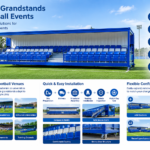
Gradas Alternativas: nuevas gradas de contenedores. Una grada alternativa, como un sistema basado en contenedores, elimina estas limitaciones al trasladar la producción a un entorno de fábrica controlado. Las gradas tradicionales dependen de estructuras de acero soldadas, fabricación in situ y cimientos pesados. Ese modelo crea tres cuellos de botella operativos: plazos de proyecto prolongados, alta dependencia de mano de obra y baja reutilización después de los eventos. Los equipos de adquisiciones ahora evalúan [...]
una grada alternativa como un sistema basado en contenedores, elimina estas limitaciones al trasladar la producción a un entorno de fábrica controlado.
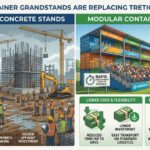
Las gradas tradicionales dependen de estructuras de acero soldadas, fabricación in situ y cimientos pesados. Ese modelo crea tres cuellos de botella operativos:
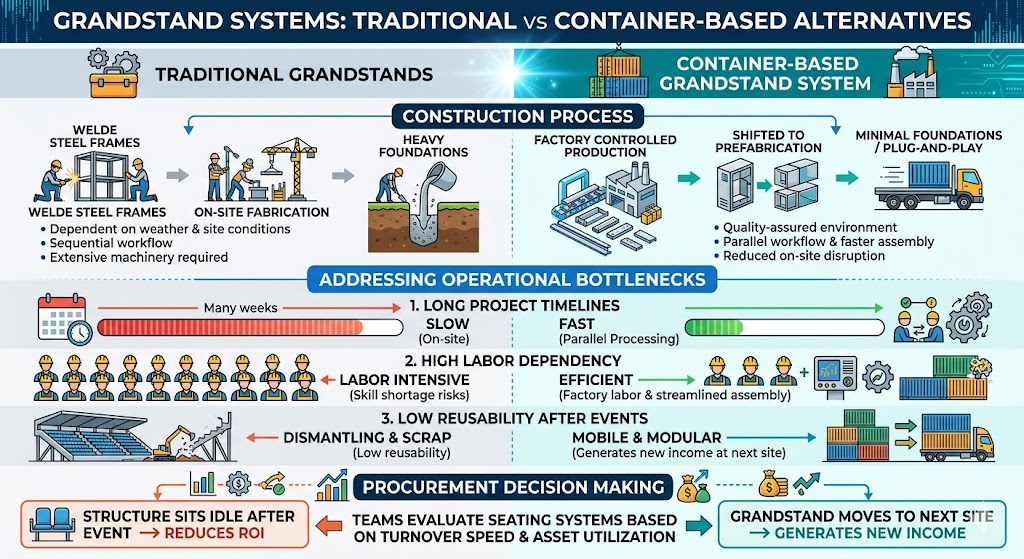
Los equipos de adquisiciones ahora evalúan los sistemas de asientos en función de la velocidad de rotación. Una estructura que permanece inactiva después de un evento reduce el ROI. Una grada de contenedores se traslada al siguiente sitio y genera nuevos ingresos.
Este artículo compara las gradas de contenedores con otros tipos de gradas, permitiendo al personal de adquisiciones comprender mejor las diferentes ventajas de cada tipo.
Gradas de Contenedores: Un Modelo de Grada Alternativa Escalable
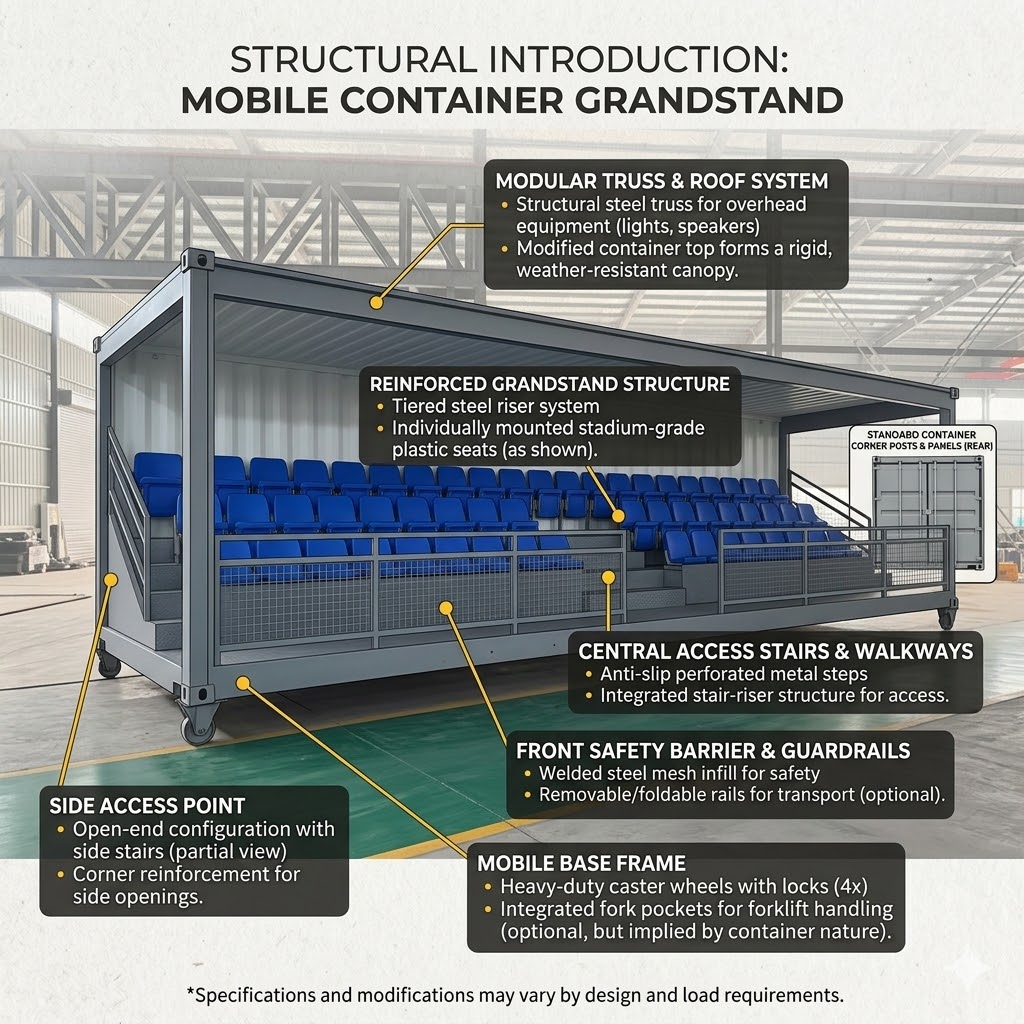
Las gradas de contenedores consisten en contenedores de envío modificados y plataformas de asientos modulares. Cada unidad es tanto una unidad estructural como un módulo de transporte.
Esta solución de grada alternativa escalable ofrece tres ventajas principales:
Todos los componentes estructurales se fabrican mediante corte CNC y procesos de soldadura estandarizados. Esto reduce los errores de instalación, y un departamento técnico inspecciona los materiales y productos, garantizando un rendimiento de carga estable.
Las gradas de contenedores no requieren semanas de montaje; pueden desplegarse en horas utilizando únicamente grúas y pernos, requiriendo solo una superficie de suelo completa.
Cada unidad puede integrarse en un sistema logístico estándar, reduciendo la complejidad del transporte.
Este modelo transforma el proceso de adquisición de un proyecto de construcción a una adquisición de producto.
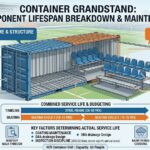
La comparación de costos a menudo determina las decisiones de compra. La diferencia no radica únicamente en el precio inicial, sino en el costo del ciclo de vida.
Análisis de la Estructura de Costos: Gradas Tradicionales vs. Nuevas Gradas
La comparación de costos a menudo determina las decisiones de adquisición. La diferencia no radica solo en el precio inicial, sino en el costo total del ciclo de vida.
Costo más alto
Adquisición a gran escala de materias primas
Gran huella, altos costos de alquiler de terreno
Largo tiempo de diseño y producción
Soldadura y mano de obra in situ
Construcción de cimientos
Ciclo de producción largo
Precio alto
Larga vida útil
Adecuado para construcción gubernamental
Costo más bajo
No requiere un espacio grande
Reubicación rápida, mínimo requerimiento de mano de obra
Puede almacenarse en un depósito
Vida útil corta, fácilmente dañable
Envío en contenedor completo de múltiples gradas, costo más bajo
Producción modular en fábrica, precio moderado
Envío a granel, como envío de contenedores. Costos de transporte moderados
Bajos costos de mano de obra de instalación, solo requiere una superficie plana
Larga vida útil, 20-30 años
Despliegue reutilizable mediante camiones y montacargas, alto costo de utilización

Movilidad: La Ventaja Principal de los Nuevos Sistemas de Gradas
La movilidad determina si las gradas generan ingresos únicos o recurrentes.
La grada tradicional de estadio no puede moverse, lo que resulta en largas tasas de vacancia en muchas áreas remotas y reduce los márgenes de beneficio en un 32%.
Los graderíos temporales comunes son los más ligeros y flexibles. Sin embargo, carecen de techo, lo que limita significativamente sus casos de uso, y a menudo se utilizan en interiores.
Las gradas de contenedores operan de una manera completamente diferente:
Elevación → Transporte → Reinstalación
Sin daños estructurales
Sin necesidad de refabricación
El techo de una grada de contenedores evita la exposición al sol al aire libre, y el diseño de la barandilla proporciona protección para los espectadores.
Esto hace que los sistemas de contenedores sean ideales para aplicaciones como:
Estadios temporales
Actuaciones en gira
Asientos en obras de construcción
Infraestructura gubernamental de emergencia
La movilidad transforma la infraestructura en un activo. Las gradas de contenedores pueden generar ingresos continuos para los clientes durante más de 300 días.

Rendimiento estructural: Seguridad y capacidad de carga
El equipo de adquisiciones a menudo cuestiona si la resistencia de las nuevas gradas puede igualar la de las gradas tradicionales.
Las gradas de contenedores utilizan:
Estructura de acero galvanizado Q235
Columnas de carga reforzadas
Plataformas de asientos antideslizantes
Estos componentes cumplen con estándares internacionales, como los establecidos por la Organización Internacional de Normalización (ISO).
A diferencia de las gradas de andamios temporales, el sistema de contenedores proporciona una distribución de carga estable a través de una estructura de ingeniería cuidadosamente diseñada.
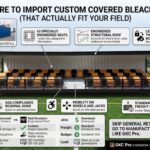
Las gradas tradicionales tienen opciones de personalización limitadas debido a su diseño fijo, que normalmente solo ofrece variaciones de color.
Las gradas temporales, debido a su producto más simple, generalmente solo requieren personalización de materiales y diseño extensible.
Las gradas contenerizadas admiten actualizaciones modulares:
Logotipos impresos
Barandillas diseñadas
Apilamiento de doble capa
Impresión de logotipos en asientos
Asientos personalizados
Pasillos accesibles para sillas de ruedas
Escaleras personalizadas
La personalización puede aumentar el precio unitario del producto y el margen de beneficio en un 30%. Las gradas de contenedores también se pueden personalizar para satisfacer necesidades específicas.

Velocidad de instalación: Reducida de semanas a horas
El tiempo impacta directamente en los costos del proyecto.
Los sistemas tradicionales requieren:
Preparación del sitio
Soldadura
Inspección en múltiples etapas
La velocidad de construcción se ve afectada por el clima.
La alta incertidumbre dificulta garantizar el tiempo.
Las gradas contenerizadas simplifican estos pasos a:
Encontrar una superficie adecuada
Descarga e instalación
Determinación de la estabilidad.
Las gradas temporales solo requieren movimiento manual a una superficie adecuada.
Los ciclos de instalación más rápidos permiten a los contratistas completar los eventos a tiempo, garantizando la entrega.

Impacto ambiental: Infraestructura reutilizable
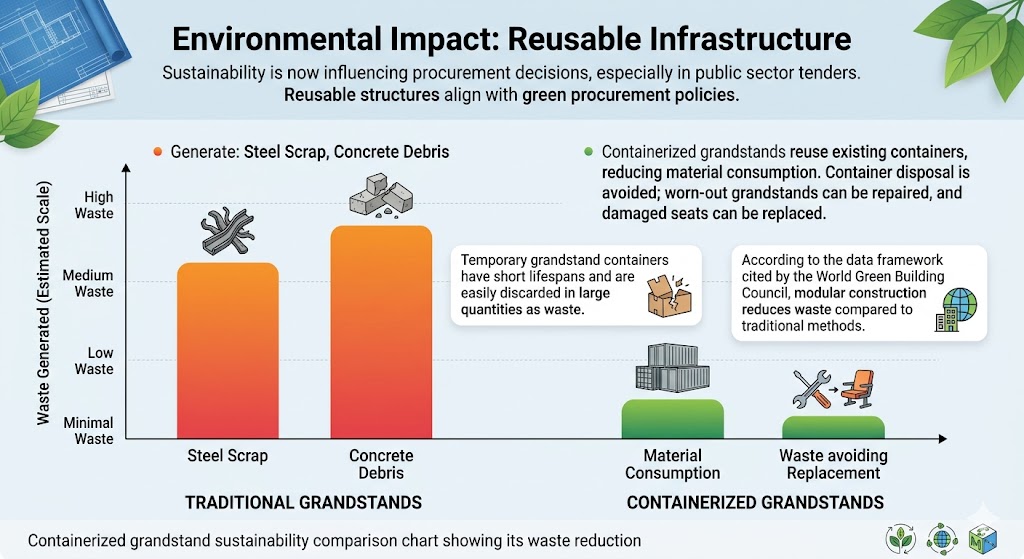
La sostenibilidad ahora influye en las decisiones de adquisición, especialmente en licitaciones del sector público.
Las gradas tradicionales generan:
Chatarra de acero
Escombros de hormigón
Las gradas temporales de contenedores tienen una vida útil corta y se desechan fácilmente en grandes cantidades como residuos.
Las gradas contenerizadas reutilizan contenedores existentes, reduciendo el consumo de materiales. Se evita la eliminación de contenedores; las gradas desgastadas se pueden reparar y los asientos dañados se pueden reemplazar.
Según el marco de datos citado por el World Green Building Council, la construcción modular reduce los residuos en comparación con los métodos tradicionales.
Texto alternativo: Gráfico comparativo de sostenibilidad de gradas contenerizadas que muestra su reducción de residuos
Las estructuras reutilizables se alinean con las políticas de adquisición ecológica.
Casos de aplicación: Ventajas del nuevo sistema de gradas
Las gradas de estadios tradicionales se utilizan con menos frecuencia, típicamente para conciertos y eventos deportivos.
Las gradas temporales se utilizan a menudo para actividades en interiores como voleibol y ensayos.
En escenarios que requieren flexibilidad, las gradas contenerizadas son superiores a los sistemas tradicionales:
9.1 Eventos deportivos temporales
Despliegue rápido, apoyando eventos estacionales.
9.2 Plataformas de visualización de festivales de música
Proporciona áreas de visualización seguras y monitoreadas.
9.3 Eventos públicos y festivales
Se reubican fácilmente en múltiples lugares.
9.4 Eventos deportivos
Se pueden instalar múltiples gradas en el perímetro para aumentar la capacidad de asientos.
9.5 Varias actividades como carreras y equitación
Las gradas de contenedores se pueden instalar en la primera fila como posiciones VIP.
Texto alternativo: Casos de aplicación del nuevo sistema de gradas, mostrando su uso en eventos deportivos, obras de construcción y festivales.
Cada escenario se beneficia de la velocidad, la movilidad y la reutilización.

| Período de Tiempo | Gradas/Tribunas Tradicionales de Estadio | Tribunas de contenedores | Información Clave |
|---|---|---|---|
| 1 Año | -5% a 10% | 35% a 50% | Las gradas de contenedores alcanzan el punto de equilibrio rápidamente gracias a costos iniciales un 60-70% más bajos y su usabilidad inmediata. Las construcciones tradicionales a menudo enfrentan retrasos y un retorno de inversión inicial negativo. |
| 3 Años | 25% a 45% | 120% a 160% | Las soluciones de contenedores ofrecen rendimientos más de 3 veces superiores. La reutilización y los bajos gastos generales aceleran el período de recuperación. |
| 5 Años | 60% a 90% | 250% a 320% | Para el quinto año, las gradas de contenedores generan un valor acumulado sustancialmente mayor, con la flexibilidad de reubicarse o expandirse fácilmente. |
| 10 Años | 150% a 220% | 550% a 700%+ | Las gradas de contenedores muestran el mayor retorno de inversión a largo plazo — a menudo 3 veces o más que las opciones tradicionales — debido a su durabilidad, mantenimiento mínimo, potencial de reventa y versatilidad para múltiples eventos. |
Nota: El ROI real varía según la ubicación, la frecuencia de eventos, las regulaciones locales y las tasas de utilización. Las gradas de contenedores superan consistentemente en la mayoría de los escenarios debido a su menor intensidad de capital y mayor flexibilidad.
Las gradas de contenedores revolucionan los asientos para espectadores con varias ventajas decisivas:
Gradas Temporales.
| Aspecto | Tribuna tradicional | Grada de Contenedores (Alternativa) | Método de Construcción |
|---|---|---|---|
| Estructuras de acero soldadas in situ + cimientos pesados | Montaje manual sobre superficie plana | Producción modular en fábrica utilizando contenedores de carga modificados | Entorno de Producción |
| Construcción in situ | In situ / Almacén | Fábrica controlada (corte CNC y soldadura estandarizada) | Semanas a meses |
| Tiempo de Instalación | Horas (manual) | Horas (grúa + pernos) | Fijo / No móvil |
| Movilidad | Altamente portátil | Excelente (Elevar → Transportar → Reinstalar) | Reutilización |
| Media (vida útil corta) | Bajo | Alta (20-30 años, fácilmente reubicable) | Difícil y costosa |
| Transporte | Envío completo en contenedor posible | Integrada con la logística estándar de contenedores | Requisitos del Terreno |
| Se requieren cimientos pesados | Superficie plana | Solo requiere una superficie de terreno completamente plana | Más alta |
| Coste inicial | Highest | Más bajo | Moderado |
| Costo del Ciclo de Vida | Alto (debido al uso único y plazos prolongados) | Bajo pero con reemplazo frecuente | Más bajo (reutilizable + larga vida útil) |
| Vida Útil | Larga | Corta (se daña fácilmente) | Larga (20–30 años) |
| Dependencia de Mano de Obra | Muy alta (soldadura y fabricación en obra) | Medio | Baja (principalmente en fábrica + mínimo en obra) |
| Personalización | Limitada (principalmente color) | Básica (material y diseño extensible) | Alta (logotipos, barandillas, doble nivel, acceso para sillas de ruedas, etc.) |
| Rendimiento Estructural | Alta capacidad de carga | Menor estabilidad | Resistente (acero galvanizado Q235, columnas reforzadas, normas ISO) |
| Resistencia a la Intemperie | Buena (permanente) | Deficiente (a menudo solo para interiores) | Buena (el techo del contenedor protege del sol/lluvia) |
| Impacto Ambiental | Alto desperdicio (chatarra de acero + hormigón) | Alto desperdicio (vida útil corta) | Bajo desperdicio (reutilizable, reparable, uso reducido de materiales) |
| Casos de Uso Óptimos | Estadios permanentes y grandes recintos fijos | Eventos en interiores, montajes temporales pequeños | Eventos deportivos temporales, festivales de música, eventos públicos, obras de construcción, áreas VIP, eventos itinerantes |
| Potencial de Retorno de Inversión (ROI) | Recuperación lenta | Limitado por la corta vida útil y durabilidad | Más alto (alta utilización, reubicación rápida, ingresos recurrentes) |
Las gradas de contenedores redefinen cómo se entrega y utiliza la infraestructura de asientos, pasando de la construcción tradicional a una solución modular basada en productos. En lugar de depender de una fabricación en obra que consume tiempo, este sistema permite una producción controlada en fábrica, garantizando calidad constante, entrega más rápida y menor riesgo en el proyecto.
Desde una perspectiva de adquisiciones, la solución aborda directamente tres desafíos críticos: plazos prolongados, altos costos laborales y baja utilización posterior al evento. Con una instalación plug-and-play y requisitos mínimos de terreno, las gradas de contenedores pueden desplegarse en cuestión de horas, mejorando significativamente la eficiencia y previsibilidad del proyecto.
Más importante aún, la movilidad transforma las gradas de activos fijos en herramientas generadoras de ingresos. La capacidad de reubicar, reutilizar y redesplegar en múltiples eventos permite a los compradores maximizar las tasas de utilización y lograr un ROI más rápido, algo que las estructuras tradicionales no pueden ofrecer.
Además, el sistema ofrece un sólido rendimiento estructural, opciones de personalización flexibles y una larga vida útil, lo que lo hace adecuado tanto para aplicaciones temporales como semipermanentes. Su naturaleza reutilizable también se alinea con los crecientes requisitos de sostenibilidad en las adquisiciones globales.
En general, las gradas de contenedores no son solo una alternativa, sino una mejora orientada a soluciones que ayuda a contratistas, organizadores de eventos y equipos de adquisiciones a reducir costos, aumentar la flexibilidad y desbloquear valor a largo plazo.
Su dirección de correo electrónico no será publicada. Los campos obligatorios están marcados con *.

 Inglés