Container-Tribünen: 8 entscheidende Vorteile für moderne Veranstaltungsorte Großveranstaltungen – von Marathons und Fußballspielen über Musikfestivals und Motorsportrennen bis hin zu Open-Air-Zeremonien – teilen alle eine gemeinsame infrastrukturelle Herausforderung: wie man tausende Zuschauer sicher, schnell und kosteneffizient platziert. Jahrzehntelang verließen sich Veranstalter auf Gerüst- oder Ortbeton-Tribünen, die beide […]
Großveranstaltungen – von Marathons und Fußballspielen bis hin zu Musikfestivals, Motorsportrennen und Open-Air-Zeremonien – teilen alle eine gemeinsame Infrastrukturherausforderung: wie man Tausende von Zuschauern sicher, schnell und kosteneffizient unterbringt. Jahrzehntelang verließen sich Veranstalter auf Gerüsttribünen oder Ortbeton-Tribünen, die beide mit langen Vorlaufzeiten, hohen Arbeitskosten und begrenzter Wiederverwendbarkeit verbunden sind.
In den letzten Jahren sind, Containertribünen – modulare Sitzstrukturen auf Basis standardisierter Schiffscontainerrahmen – als überzeugende Alternative hervorgetreten. Durch die Kombination der strukturellen Festigkeit von ISO-Containern mit zweckgebauten Sitzmodulen bieten diese Systeme ein Maß an Geschwindigkeit, Flexibilität und Langlebigkeit, das herkömmliche Tribünen schlicht nicht erreichen können.
Dieser Artikel erläutert die Kernvorteile von Containertribünen, erklärt, wo sie am besten eingesetzt werden, und beantwortet die häufigsten Fragen, die Veranstaltungsplaner und Betreiber vor der Investition in eine modulare Sitzlösung stellen.
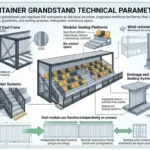
Eine Containertribüne (auch modulare Tribüne, mobile Containertribüne oder vorgefertigter Zuschauerstand genannt) ist eine gestufte Sitzstruktur, die um standardisierte Schiffscontainereinheiten konstruiert ist. Im Gegensatz zu Gerüsttribünen, die vor Ort Stück für Stück montiert werden, werden Containertribünen weitgehend im Werk vorgefertigt und anschließend per LKW, Bahn oder Schiff zum Veranstaltungsort transportiert, wo sie schnell montiert werden.
Da die Containermodule maßlich standardisiert sind, können sie gestapelt, verbunden und zu Sitzblöcken unterschiedlicher Kapazität umkonfiguriert werden – von einigen hundert Sitzplätzen für ein lokales Sportereignis bis zu mehreren tausend Sitzplätzen für eine große Meisterschaft oder ein Festival.
Der größte einzelne Vorteil von Container-Tribünen ist die Geschwindigkeit. Da der strukturelle Rahmen werkseitig vorgefertigt und weitgehend außerhalb der Baustelle montiert wird, beschränkt sich die Arbeit vor Ort auf Kranarbeiten, Modulverbindungen und die Endabnahme – ein Bruchteil der Zeit, die für Schweißarbeiten oder Betonierarbeiten vor Ort erforderlich wäre.
Für Veranstaltungen mit festen, nicht verhandelbaren Terminen – Olympische Spiele, Marathonläufe, Tourneekonzerte – reduziert dieser Ansatz des “erst vorfertigen, dann schnell montieren” das Risiko von Terminverzögerungen erheblich. Nach Abschluss der Veranstaltung kann die Tribüne innerhalb von Tagen statt Wochen demontiert und das Gelände in seinen ursprünglichen Zustand versetzt werden.
Herkömmliche Tribünen werden in der Regel einmal gebaut und dann entweder abgerissen oder als dauerhafte (und oft ungenutzte) Struktur hinterlassen. Container-Tribünen sind anders: Ihr prägendes Merkmal ist Modularität und Demontierbarkeit. Nach einer Veranstaltung kann die gesamte Struktur zerlegt, verpackt, transportiert und am nächsten Veranstaltungsort wieder aufgebaut werden.
Dieses Modell des “einmal bauen, vielfach nutzen” verteilt die Kapitalkosten der Tribüne auf mehrere Veranstaltungen. Genau aus diesem Grund greifen Tourneesportserien, saisonale Festivals und Veranstaltungsorte, die wiederkehrende temporäre Events ausrichten, zunehmend auf Tribünenvermietung zurück, die auf Containersystemen basieren, anstatt für jeden Anlass eine neue Struktur in Auftrag zu geben.
Da Schiffscontainer nach einem globalen Standard gebaut werden, sind sie von Natur aus einfach zu transportieren – per LKW, Bahn oder Schiff – auch über lange Strecken. Dies macht Container-Tribünen besonders geeignet für Tourneeveranstaltungen oder Veranstaltungsorte ohne permanente Sitzplatzinfrastruktur.
Ob es sich um einen Stadtplatz, den Rand eines bestehenden Stadions, ein unebenes Freigelände oder ein temporäres Festivalgelände handelt – Container-Tribünenmodule können so konfiguriert werden, dass sie die verfügbare Grundfläche und die gewünschte Kapazität abdecken. Viele Systeme unterstützen zudem lokale Nivellierung und Winkeleinstellung, was ihre Nutzbarkeit auf Standorte erweitert, auf denen der Bau einer festen Tribüne schwierig oder unmöglich wäre.
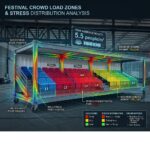
Schiffscontainer werden aus wetterfestem Stahl (Corten-Stahl) und anderen hochfesten Materialien hergestellt, die für den Transport auf See, Stapellasten und extreme Wetterbedingungen ausgelegt sind – Eigenschaften, die sich direkt in einer starken Leistung als Sitzplatzstruktur niederschlagen. Fachgerecht konstruierte Container-Tribünen werden mit Lastberechnungen, Notausgangsrouten und Geländerhöhen entworfen, die die örtlichen Bau- und Brandschutzvorschriften erfüllen oder übertreffen, und können vor der öffentlichen Nutzung von den örtlichen Behörden zertifiziert werden.
Dies verleiht Container-Tribünen eine strukturelle Sicherheitsmarge, die oft besser ist als bei leichten Gerüsttribünen, insbesondere bei starkem Wind oder hoher Auslastung.
Da Container-Tribünen für die wiederholte Wiederverwendung konzipiert sind und nicht für einmalige Errichtung und Abriss, reduzieren sie den laufenden Verbrauch von Rohstahl und anderen Baumaterialien erheblich. Es gibt keinen Kreislauf aus “bauen, abreißen, wieder aufbauen”, der nach jeder Veranstaltung Bauabfälle erzeugt.
Dieses kohlenstoffarme, ressourceneffiziente Modell steht in engem Einklang mit den Nachhaltigkeitsverpflichtungen, die viele Kommunen, Sportverbände und Veranstaltungsorganisatoren heute nachweisen müssen – was Container-Tribünen zu einer zunehmend attraktiven Option für Organisationen macht, die unter Druck stehen, den ökologischen Fußabdruck temporärer Infrastruktur zu reduzieren.
Die ebenen Stahlflächen von Schiffscontainern sind ideale Untergründe für Folienbeklebung, Lackierung und Sponsorenbranding. Veranstaltungsorganisatoren können die Außenfläche einer Container-Tribüne anpassen, um sie an die visuelle Identität eines Turniers, die Branding-Anforderungen eines Sponsors oder die Gesamtästhetik eines Festivals anzupassen – und so aus einer im Grunde funktionalen Struktur einen Teil des visuellen Erlebnisses vor Ort zu machen.
Viele Systeme können zudem mit Zusatzelementen wie Sonnendächern, Handläufen, Rampen und barrierefreien Sitzplattformen ausgestattet werden, was sowohl den Komfort als auch die Einhaltung von Barrierefreiheitsstandards (ADA) verbessert, ohne das modulare Design zu beeinträchtigen.
Während die Anschaffungskosten eines Container-Tribünensystems mit einem einmaligen Gerüstbau vergleichbar sein können, zeigt sich der Vorteil bei den Gesamtbetriebskosten. Da die Struktur über ihre Nutzungsdauer – bei ordnungsgemäßer Wartung oft ein Jahrzehnt oder mehr – bei Dutzenden von Veranstaltungen wiederverwendet werden kann, sinken die effektiven Kosten pro Veranstaltung erheblich im Vergleich zur Beschaffung einer neuen temporären Struktur für jeden Anlass.
Insbesondere Veranstaltungsortbetreiber und Vermietungsunternehmen profitieren von diesem Modell, da ein einziger Bestand an Container-Tribünenmodulen über viele Buchungen hinweg Einnahmen generieren kann, anstatt eine an eine einzelne Veranstaltung gebundene versunkene Kostenposition zu sein.
Zwischen Veranstaltungen können Container-Tribünenmodule platzsparend gestapelt und gelagert werden – ein erheblicher Vorteil gegenüber Gerüstsystemen, die oft unregelmäßigere Lagerflächen und eine komplexere Bestandsverfolgung erfordern. Standardisierte Containerabmessungen vereinfachen zudem die Transportplanung, da Logistikdienstleister bereits für die Abwicklung von Containerfracht in großem Maßstab ausgerüstet sind.
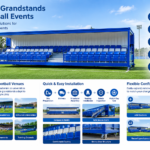
Container-Tribünen werden heute bei einer Vielzahl von Veranstaltungstypen eingesetzt, darunter:
Wie viele Personen fasst eine Container-Tribüne? Die Kapazität hängt von der Anzahl der verwendeten Module und Ebenen ab. Systeme können von einigen hundert Sitzplätzen für eine kleine lokale Veranstaltung bis zu mehreren tausend Sitzplätzen für eine große Veranstaltung im Stadionmaßstab skaliert werden, indem einfach weitere Containereinheiten hinzugefügt werden.
Wie lange dauert die Installation einer Container-Tribüne? Da die Primärstruktur außerhalb der Baustelle vorgefertigt wird, dauert die Installation vor Ort in der Regel zwischen einigen Tagen und ein bis zwei Wochen, je nach Größenordnung – deutlich schneller als Ortbeton- oder umfangreich geschweißte Strukturen.
Sind Container-Tribünen sicher und entsprechen sie den Vorschriften? Seriöse Hersteller konstruieren Container-Tribünen so, dass sie die örtlichen Vorschriften für strukturelle Lasten, Brandschutz und Fluchtwege erfüllen. Die Strukturen können vor der öffentlichen Nutzung von den örtlichen Bau- oder Brandschutzbehörden geprüft und zertifiziert werden, ähnlich wie bei jeder anderen temporären öffentlichen Versammlungsstruktur.
Wie oft kann eine Container-Tribüne wiederverwendet werden? Bei ordnungsgemäßer Wartung können Stahl-Container-Tribünensysteme in der Regel mehrere Dutzend bis über hundert Mal auf- und abgebaut werden, wobei die Nutzungsdauer häufig zehn Jahre überschreitet.
Ist eine Container-Tribüne günstiger als eine herkömmliche Tribüne? Die Kosten pro Nutzung sind im Laufe der Zeit in der Regel niedriger, da dieselbe Struktur über viele Veranstaltungen hinweg wiederverwendet werden kann, anstatt einmal gebaut und dann entsorgt zu werden. Die Anschaffungskosten sind mit anderen temporären Sitzplatzsystemen vergleichbar, aber die Wiederverwendbarkeit senkt die effektiven Kosten pro Veranstaltung erheblich.
Können Container-Tribünen für Branding-Zwecke angepasst werden? Ja. Die Außenflächen können mit Sponsorenlogos, Veranstaltungsbranding oder thematischen Designs lackiert oder beklebt werden, und zusätzliche Merkmale wie Überdachungen, Rampen und Handläufe können für Komfort und Barrierefreiheit hinzugefügt werden.
Container-Tribünen nehmen die traditionellen Schwachstellen temporärer Sitzplatzlösungen – lange Bauzeiten, Einmalnutzung und hohe Kosten pro Veranstaltung – und verwandeln sie durch modulares, wiederverwendbares Design in strukturelle Vorteile. Mit schnellerer Bereitstellung, starker Sicherheitsleistung, geringeren Lebenszykluskosten und einem kleineren ökologischen Fußabdruck ist leicht zu erkennen, warum Container-Tribünen zur bevorzugten Sitzplatzlösung für Tourneeveranstaltungen, saisonale Veranstaltungsorte und Organisatoren werden, die ihre Infrastruktur skalieren möchten, ohne ihren Abfall zu skalieren.
Da die Nachfrage nach groß angelegten temporären Veranstaltungen weiter wächst – und da Nachhaltigkeit und Kosteneffizienz zu unabdingbaren Anforderungen für Veranstaltungsorganisatoren werden – sind Container-Tribünen gut positioniert, um ein Standardbestandteil des Veranstaltungsinfrastruktur-Werkzeugkastens zu werden.
Ihre E-Mail Adresse wird nicht veröffentlicht. Erforderliche Felder sind mit * gekennzeichnet
 Englisch